11 hr
Burana Tower, Red Canyons & Issyk-Kul Lake Day Tour from Bishkek
- Expert local guide
- Small group
- Skip-the-line access
- Free cancellation
Burana Tower — Silk Road Minaret & Balbal Stone Museum
An 11th-century sentinel on the steppe, where caravans once rested and empires rose
Compare fares, pick the fit — all bookings are mobile-voucher and eligible for free cancellation where shown.
11 hr
8 hr 30 min
2 hr 30 min
| Experience | Duration | Rating | Skip-the-line | Guide | Small group | Free cancel. | Price | |
|---|---|---|---|---|---|---|---|---|
|
Guided Experience
Most popular
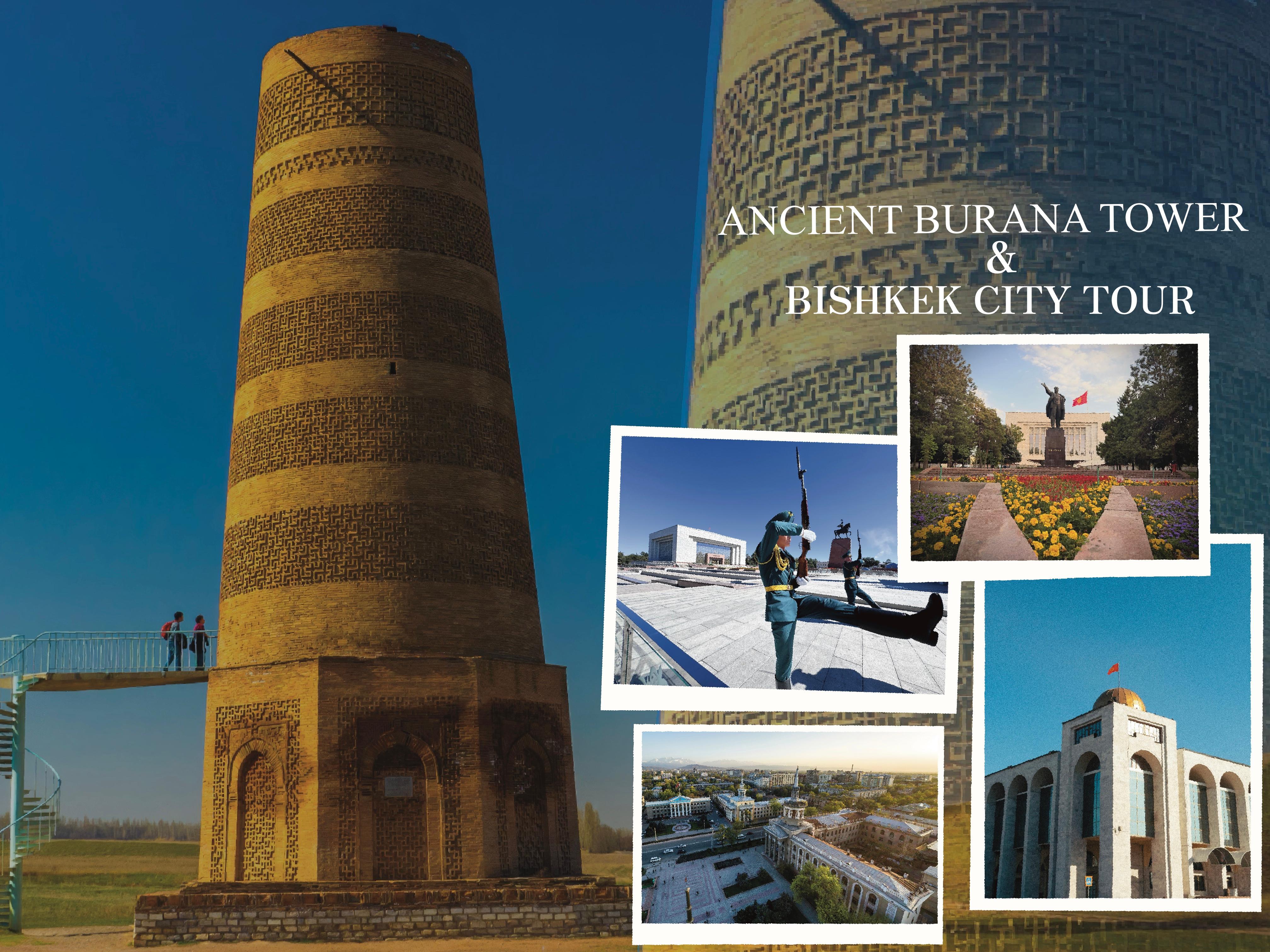
Burana Tower, Red Canyons & Issyk-Kul Lake Day Tour from Bishkek
|
11 hr | ★ 4.9 | ✓ | ✓ | ✓ | ✓ | $80 | Book → |
|
Guided Experience
Burana Tower & Bishkek Heritage Full-Day Tour
|
8 hr 30 min | ★ 4.9 | ✓ | ✓ | ✓ | ✓ | $85 | Book → |
|
Guided Experience
Bishkek Walking Tour: Soviet Architecture & Nomadic Heritage
|
2 hr 30 min | ★ 4.8 | ✓ | ✓ | ✓ | ✓ | $25 | Book → |
Worth it for history enthusiasts and photographers
The 220 KGS conservation fee grants access to both the minaret climb and the on-site museum displaying Silk Road artifacts, stone balbal figures, and carved petroglyphs recovered from the ancient city of Balasagun. For visitors seeking Central Asian heritage beyond Bishkek's Soviet architecture, the Burana Tower tour delivers tangible 11th-century history you can climb—literally. The minaret's worn brick spiral staircase leads to panoramic views across the Chuy Valley, framing the Tian Shan range against agricultural patchwork below. The museum collection, though modest, contextualizes the tower's role as a caravan beacon and the region's pre-Mongol civilization. At under $2.50 USD, it's exceptional value for the combination of architectural access and curated artifacts. Photographers and anyone fascinated by Silk Road history will find the experience worth the hour-long drive; casual sightseers may prefer Bishkek's urban attractions unless they're already touring the Chuy region.
Bottom line: For the price of a coffee, you gain access to one of Central Asia's oldest standing structures and a curated window into Silk Road civilization—worth it if medieval architecture or mountain vistas appeal to you.
Hand-picked experiences loved by thousands of travelers
11 hours
Free Cancellation
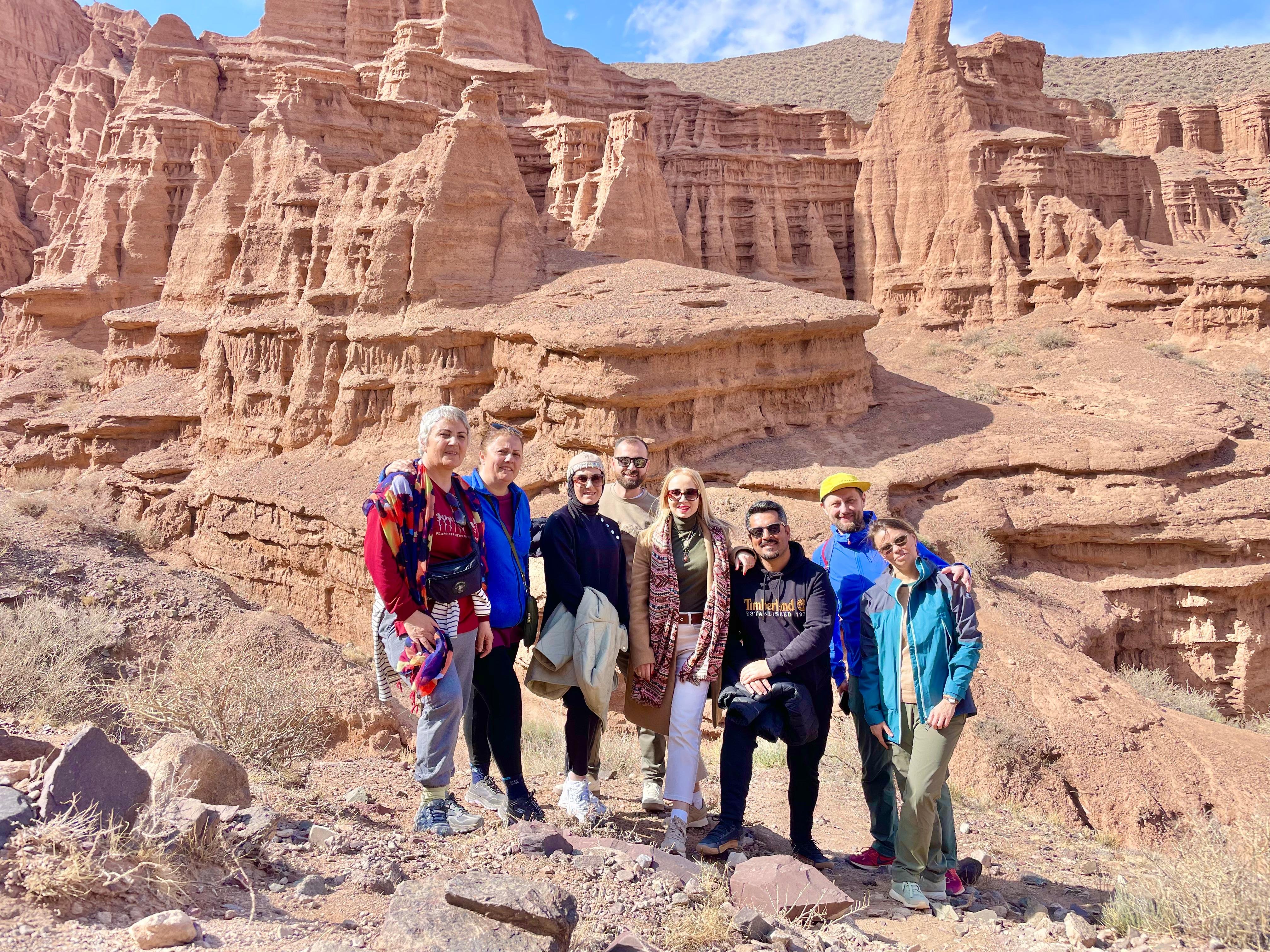
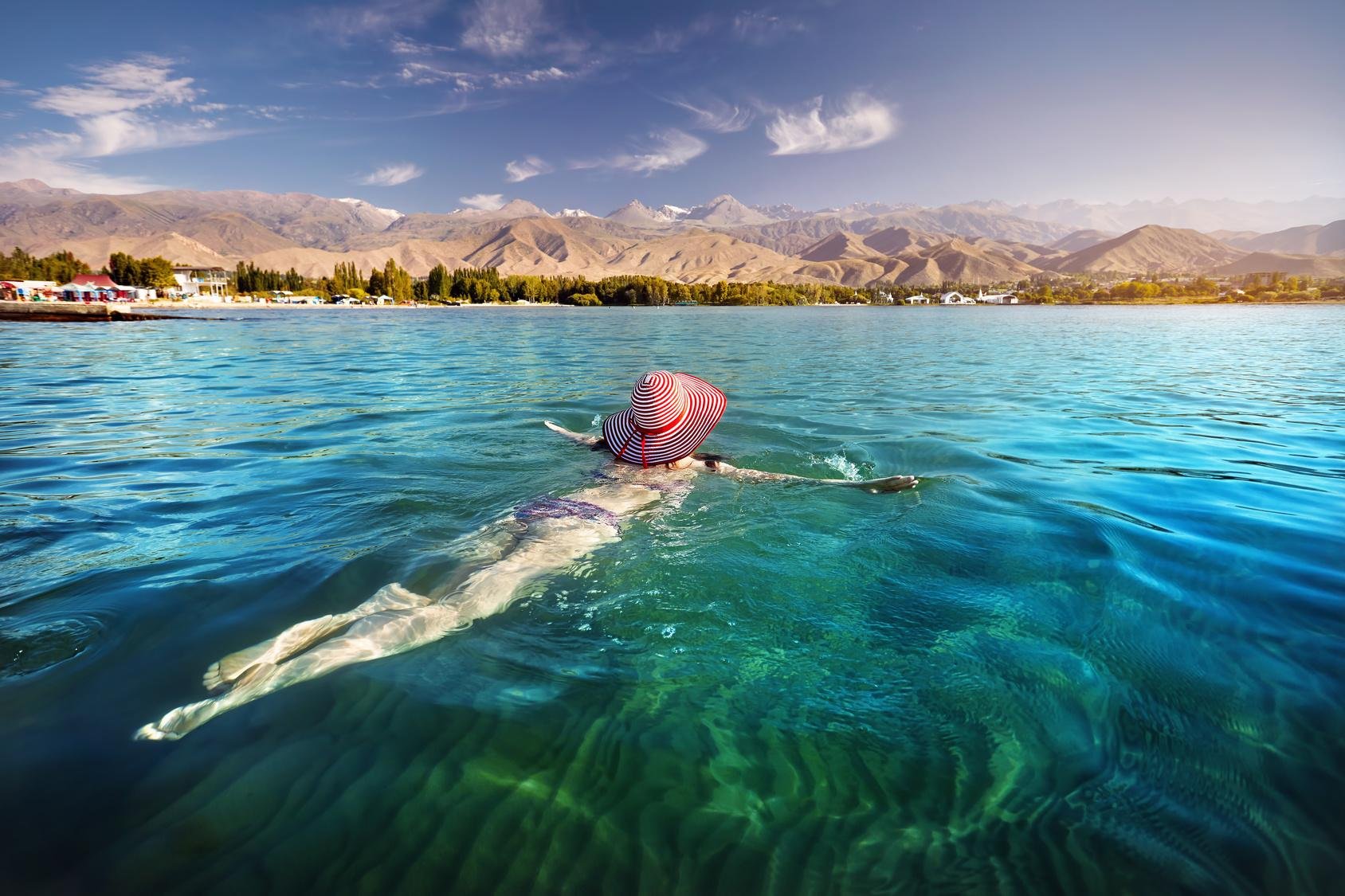
Cross a thrilling suspension bridge, savor authentic Kyrgyz cuisine, and hike through alpine wilderness
2.5 hours
Free Cancellation
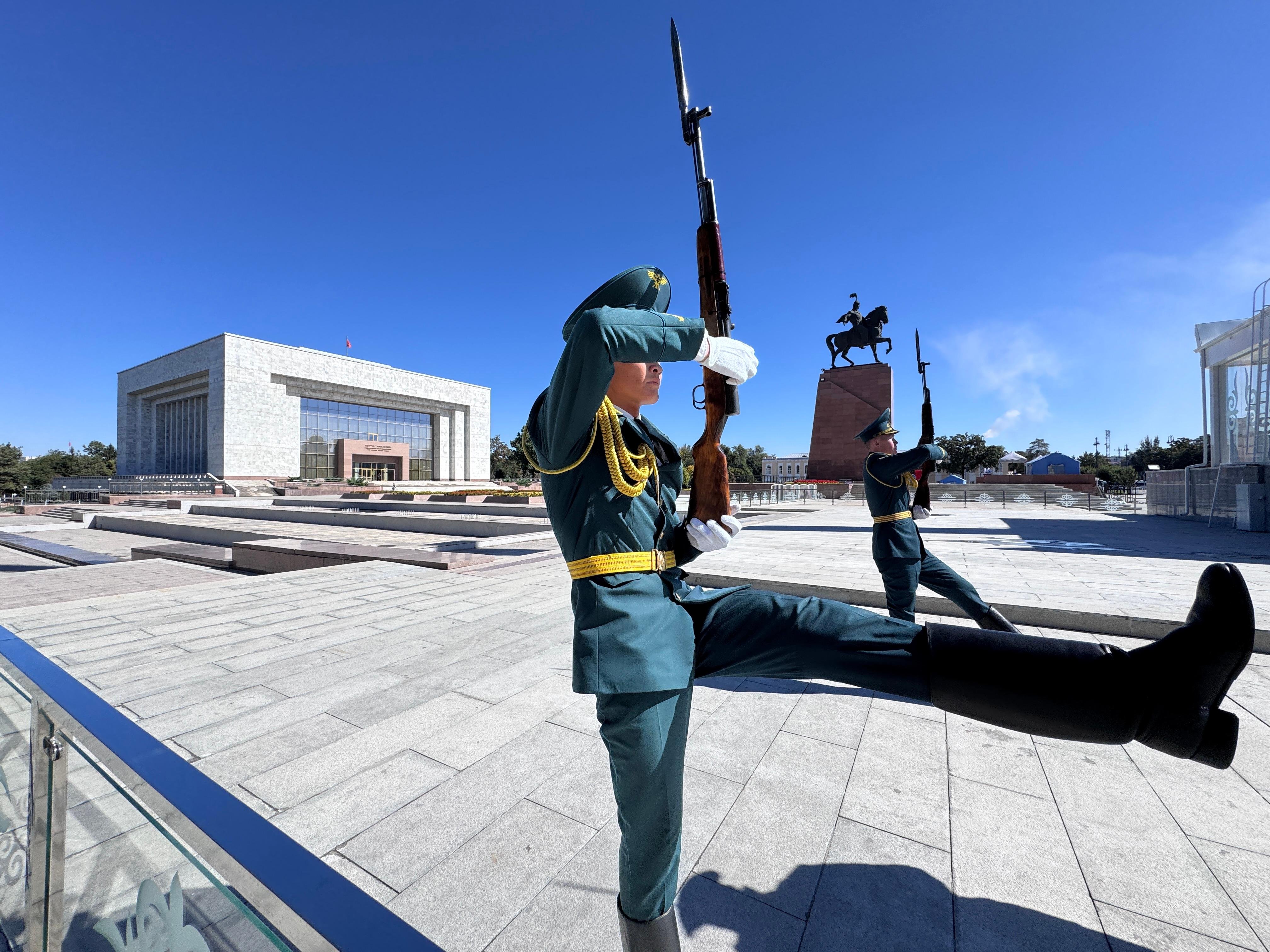
Discover the capital's monuments, Soviet heritage, and authentic neighborhoods with an expert guide
8 hours
Free Cancellation
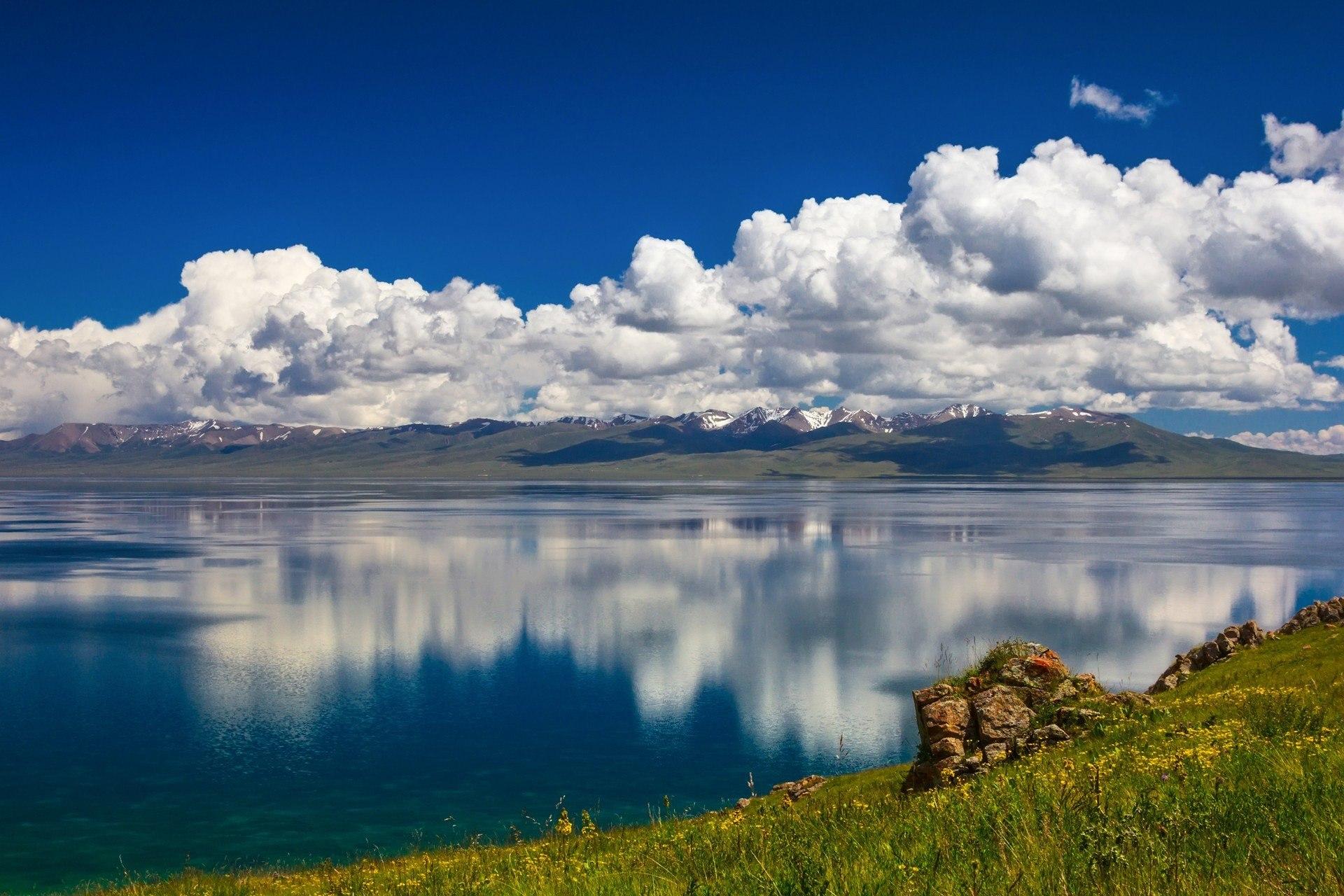
Journey to a stunning alpine lake and an ancient Silk Road minaret on this comprehensive day trip
8 hours
Free Cancellation
Journey through Kyrgyzstan's Silk Road past and explore dramatic canyon landscapes on this day trip
2 days
Free Cancellation
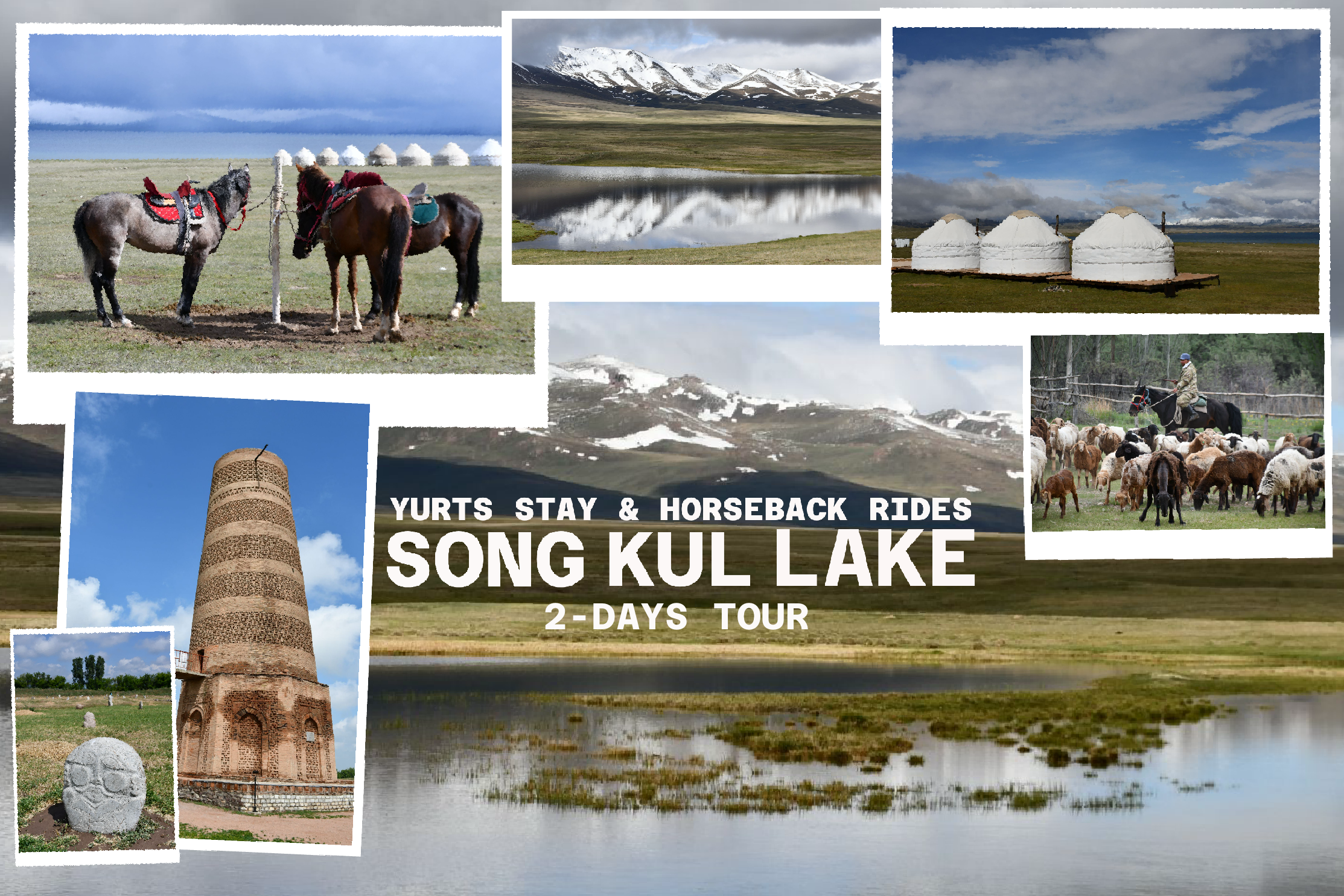
Two-day highland journey with horseback exploration, nomadic yurt lodging, and ancient tower visit
11.5 to 12 hours
Free Cancellation
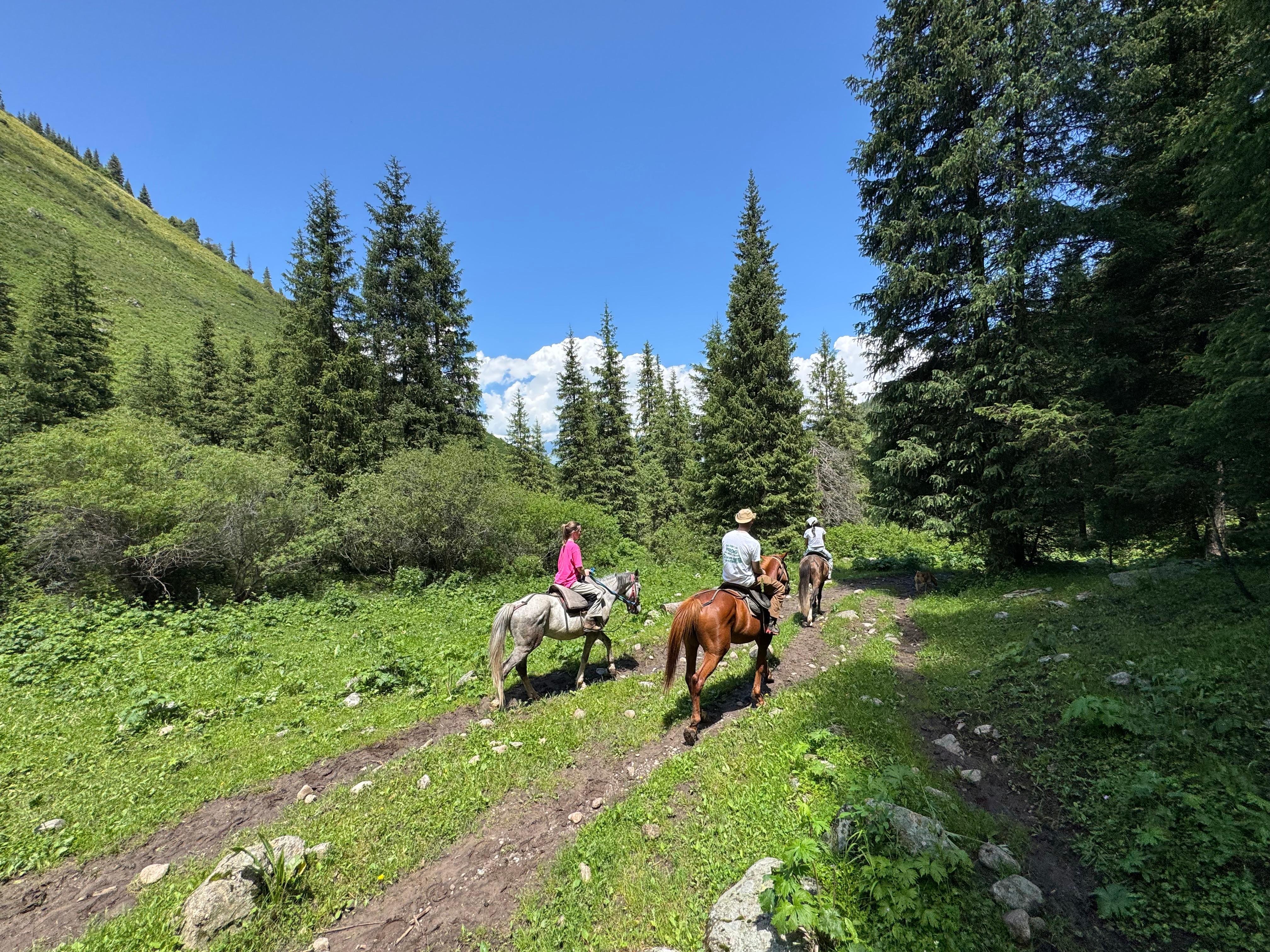
Explore mountain trails on horseback and visit an ancient tower on this full-day Kyrgyz adventure
2 days
Free Cancellation
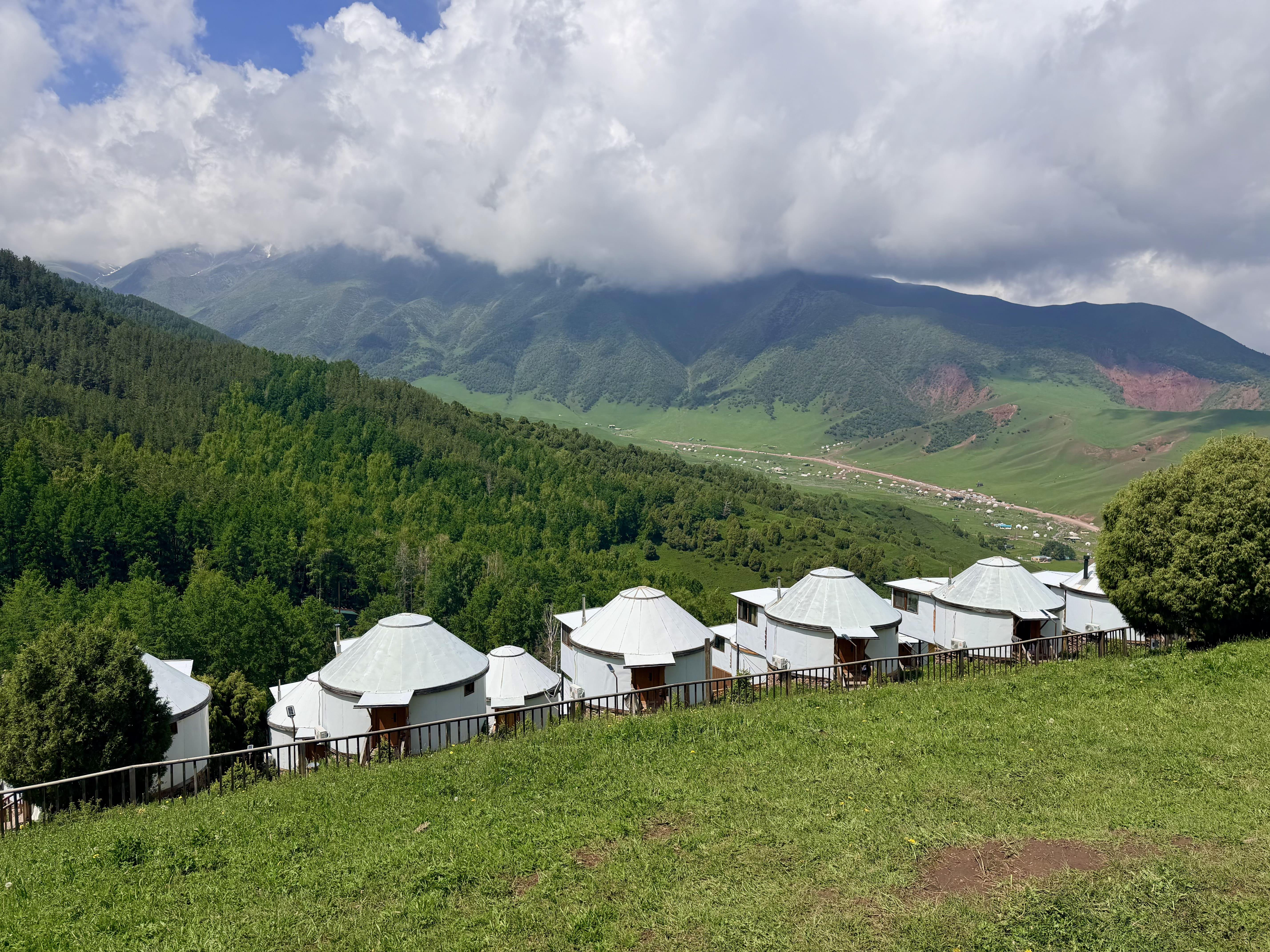
Two-day nomadic escape: sleep in a traditional yurt, ride horses across alpine pastures, and dine with locals
You arrive to find the minaret rising abruptly from flat farmland, its brickwork warm under morning sun.
The entrance gate leads through a gravel courtyard where the balbal stones stand in silent formation — you pause before a warrior figure, its face eroded to abstraction, then move to the carved fragments of a seated Buddha, a reminder of the valley's pre-Islamic past. The museum building holds pottery shards and a bronze oil lamp; you spend ten minutes tracing trade-route maps that connect Balasagun to Kashgar and Merv.
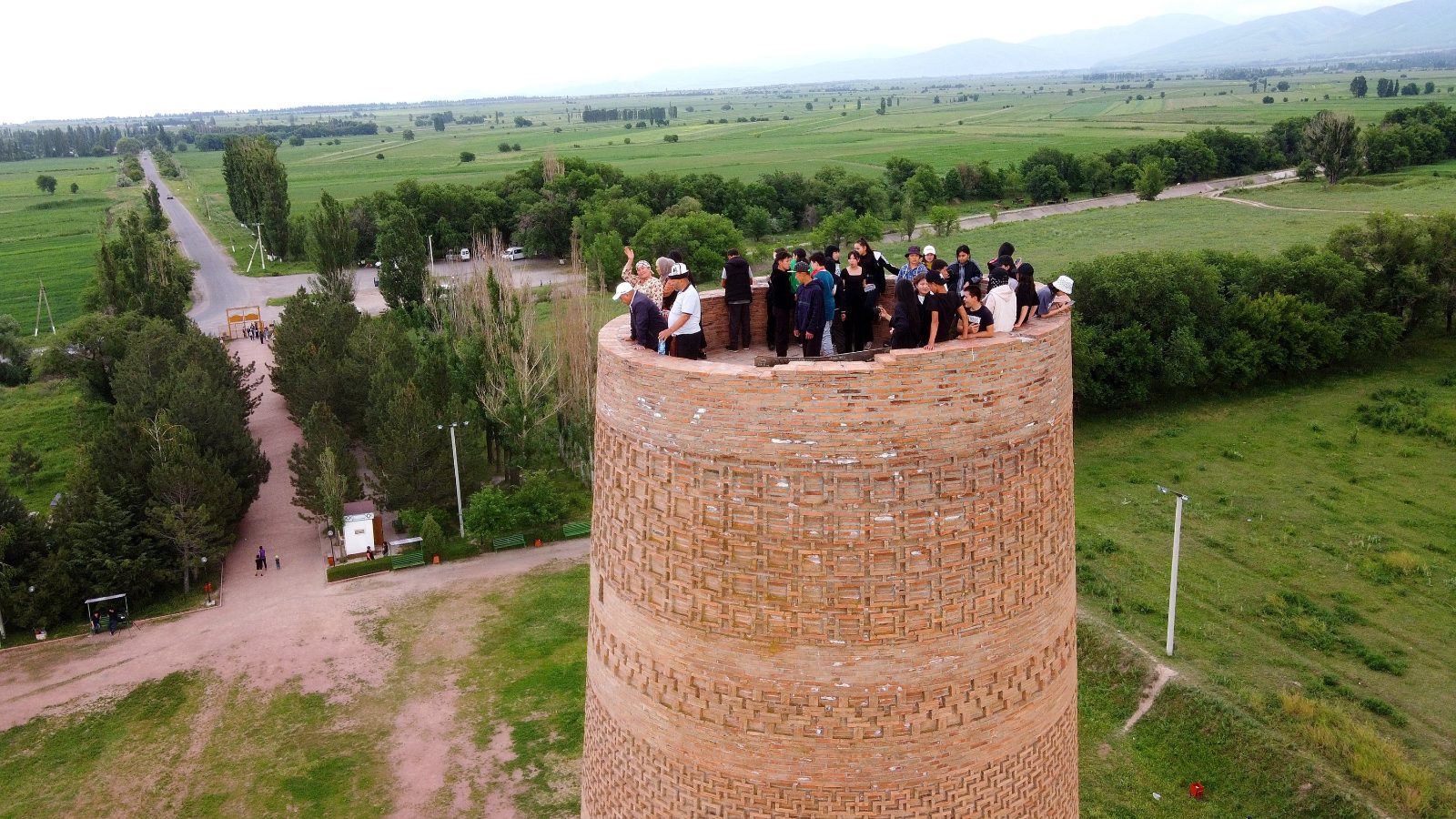
The tower staircase is steep and lightless. You grip the handrail, counting sixty-two steps as the brick narrows around you. At the top, wind sweeps across the parapet. The Kyrgyz Ala-Too range stretches south, peaks dusted with early snow. To the north, the Chuy Valley spreads in geometric plots of wheat and alfalfa, punctuated by irrigation canals that follow routes dug a millennium ago. You lean against the crenellated wall, imagining caravans arriving at sunset, and then descend carefully, emerging into daylight beside a cluster of yurts where vendors sell felt hats and kumis. The entire visit lasts ninety minutes, but the view from the parapet lingers longer.
All the details about your upcoming adventure in one place
A burana tower tour takes you 80 kilometers east of Bishkek to the remains of the medieval Balasagun city, where an 11th-century minaret stands among carved balbals and earthen ramparts. Burana Tower tours include the archaeological museum, access to climb the internal staircase for steppe views, and stops at the stone carving field. Most burana tower tour tickets cover transport, entrance fees, and a guide familiar with Karakhanid history and the ancient caravan routes that crossed the Chuy Valley.
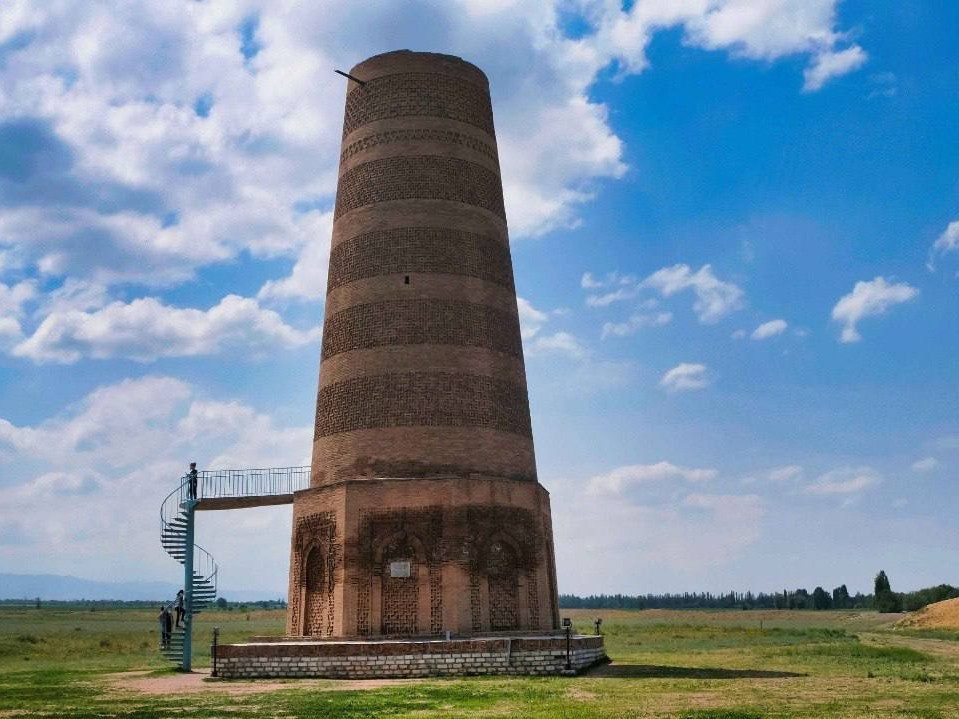
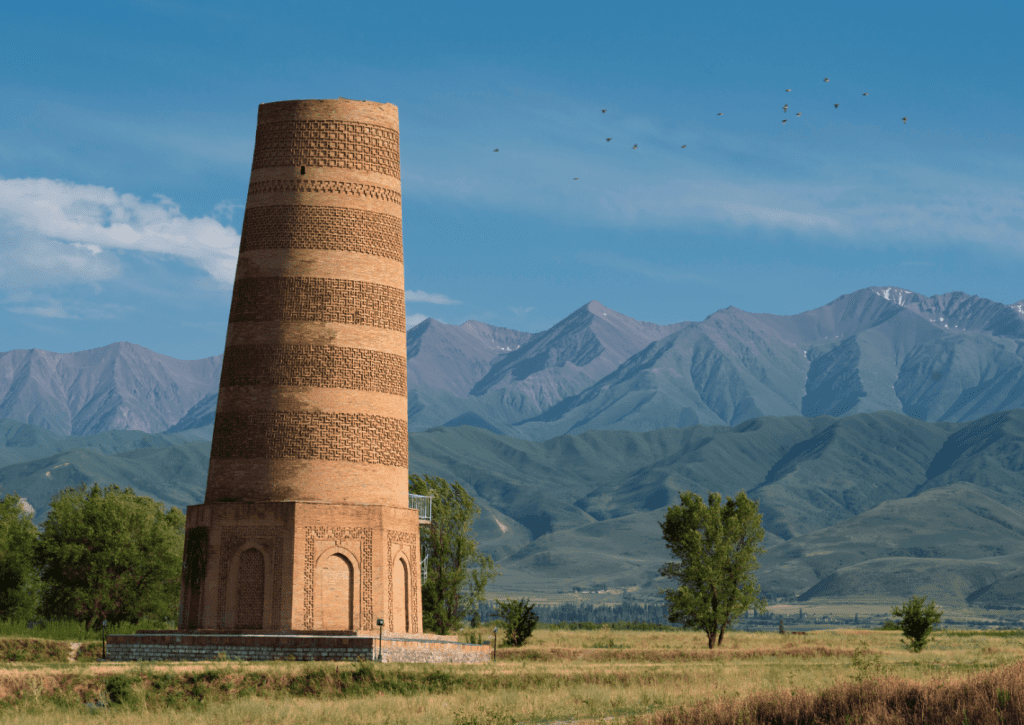
The Burana Tower stands 24.6 metres tall today — half its original height before a 15th-century earthquake severed the upper shaft.
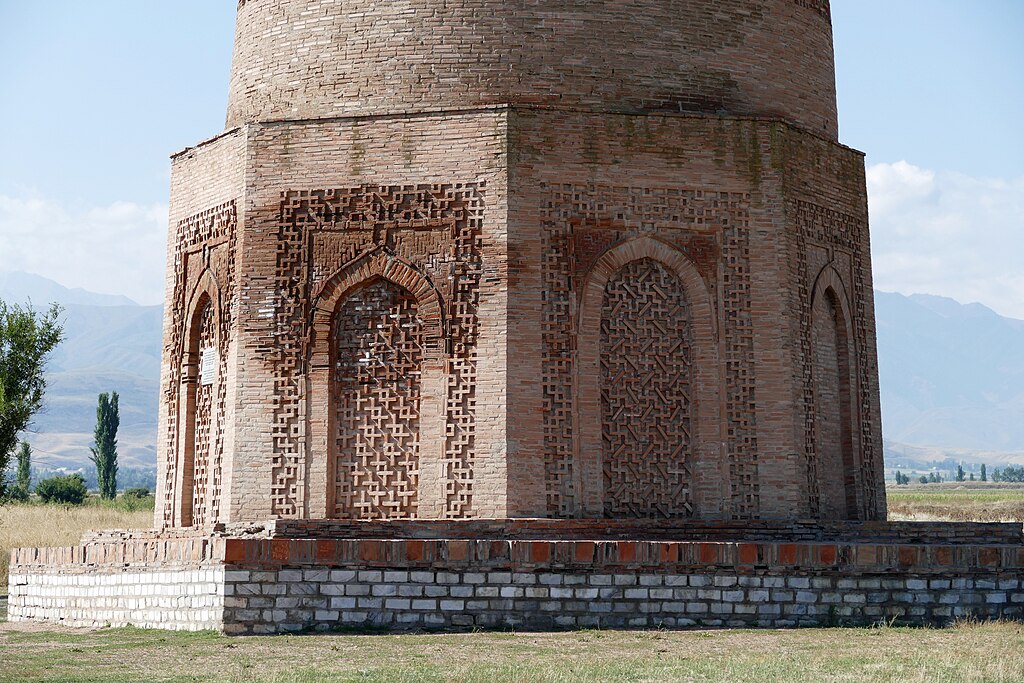
Constructed around 1070 CE during the Karakhanid dynasty, the brick minaret anchored the medieval city of Balasagun, a thriving Silk Road hub where merchants traded ceramics, textiles, and ideology across Central Asia. The tower's tapering octagonal base and spiral staircase reflect Persian architectural influence, adapted to the seismic realities of the Tian Shan foothills. Soviet archaeologists stabilised the ruin in the 1970s, installing a steel cap to prevent further collapse, and the site gained protected status as Kyrgyzstan's foremost pre-Mongol monument.
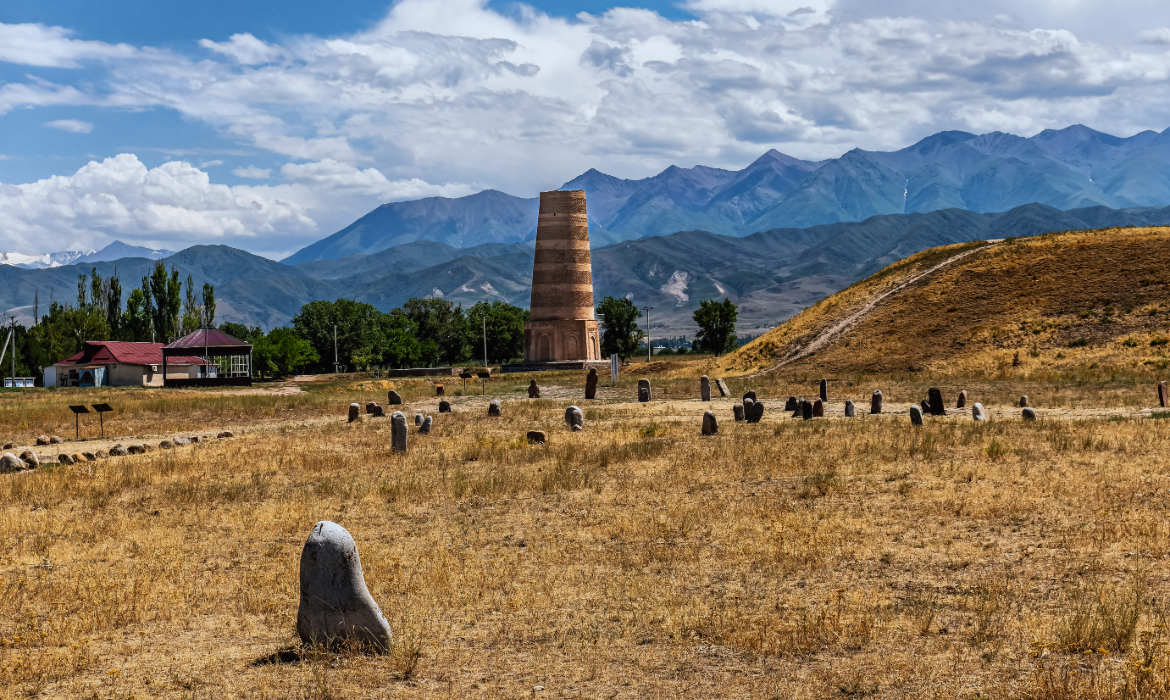
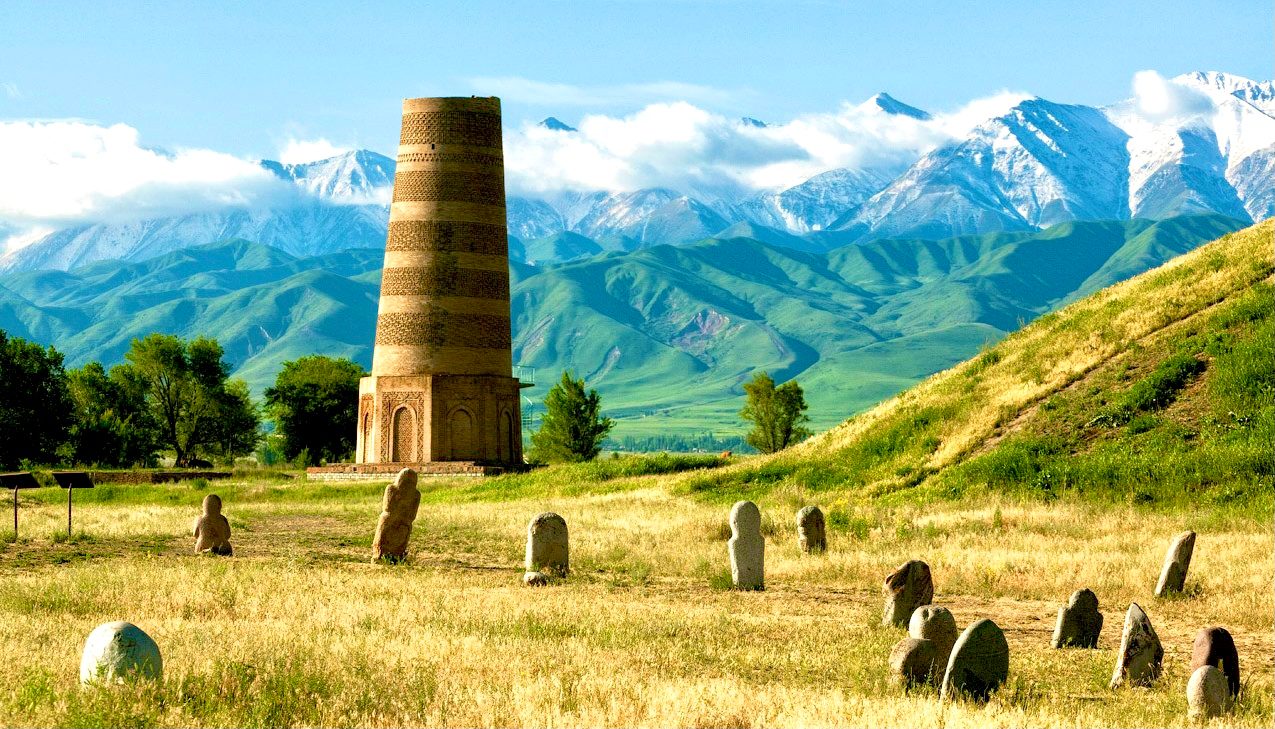
Today the Burana complex preserves not only the minaret but an open-air museum of balbal stones — anthropomorphic grave markers carved by nomadic Turkic peoples between the 6th and 11th centuries. More than eighty stelae, relocated from burial mounds across the Chuy Valley, stand in rows beside the tower, each face weathered into enigmatic simplicity. The on-site museum houses fragments of terracotta roof tiles, coins minted under Karakhanid rule, and Sogdian inscriptions that document a multilingual society where Buddhism, Nestorian Christianity, and Islam coexisted before the region's full Islamisation. Scholars trace the city's decline to Genghis Khan's 1218 campaign, which razed Balasagun and redirected caravan routes toward Samarkand and Kashgar.
The tower itself invites ascent — a narrow iron staircase winds through the brick core, emerging onto a parapet that frames the Kyrgyz Ala-Too range to the south and the flat expanse of the Chuy Valley to the north. On clear mornings, the snowline on Peak Baitik glows pink against the steppe. The site receives relatively few international visitors compared to Issyk-Kul or Ala-Archa, yet it remains a cornerstone of Kyrgyz national identity, appearing on the 1-som banknote and in school history curricula. The juxtaposition of Islamic architecture and shamanistic burial art makes Burana a compact case study in Central Asia's layered religious history. Conservation efforts continue under UNESCO's tentative World Heritage list, with geotechnical surveys assessing the minaret's long-term stability against seismic activity that remains common in the region.

The tower's tapering octagonal base and spiral staircase reflect Persian architectural influence, adapted to the seismic realities of the Tian Shan foothills.
No strict dress code, but modest clothing is recommended when visiting the burial site. Wear sturdy, comfortable shoes for climbing the uneven steps of the minaret.
There are no formal bag checks, but visitors should travel light as there is no storage area. Keep valuables with you at all times while exploring the open-air grounds.
Photography is permitted throughout the site. The Balbals collection and the minaret silhouette against the mountains are popular photo subjects.
The expansive grounds are suitable for walking, but the steep tower staircase is unsafe for young children and those with limited mobility. Supervise children closely near ancient ruins.
The open-air museum and Balbals field are reachable by paths. The interior of the minaret is extremely narrow with steep, uneven stairs and is not wheelchair accessible.
There are no full-service restaurants on-site. Visitors can purchase water and light snacks from small vendors near the entrance gate.
Opening hours
09:00–17:00 daily
Address
Burana, Chuy Region, Kyrgyzstan
Accessibility
Grounds are accessible; tower interior is steep
Arrival
09:00–10:00 for best experience
Storage
No secure luggage lockers available
Navigation
GPS 42.746398, 75.250415
Car · 1.5h · Gas/Rental costs
Follow the main road from Bishkek to Tokmok, then head south 15 minutes.
Full refunds are available for cancellations made at least 24 hours in advance. The conservation fee of 220 KGS covers the entire site including tower and museum access.
Recommended time
2-3 hours
Most visitors spend around two hours exploring the archaeological site and climbing the narrow internal staircase. Choosing the best arrival window: 09:00–10:00 ensures you can secure burana tower tour tickets and ascend the minaret before large groups arrive from Bishkek. If you plan to examine the balbal stone grave markers in detail, allow extra time for this Bishkek landmark visit. Using burana tower tour tours during peak mid-day hours often results in congestion on the steep, confined steps.
Crowd levels through the day
Weather · crowds · average price — dots go green to amber to red as each metric rises.
Mild temperatures and green fields are perfect for site exploration.
Plan your burana tower tour for the morning window to avoid large bus tours.
The Burana Tower stands as the sole surviving monument of Balasagun, a thriving Silk Road city founded in the 9th century by the Karakhanid dynasty. Archaeologists place the tower's construction between 1020 and 1040 CE, during the reign of Sultan Satuq Bughra Khan's successors. The minaret originally rose approximately 45 meters, serving both as a call-to-prayer platform and a visible beacon for caravans crossing the Chuy Valley. Soviet-era excavations in 1927 revealed foundation inscriptions in Kufic script, confirming the structure's role within Balasagun's central mosque complex. The city itself flourished as a Karakhanid capital until Mongol forces under Genghis Khan razed it in 1218. The tower suffered catastrophic damage in a 15th-century earthquake that toppled its upper third, reducing the height to the current 24.6 meters. Chroniclers from the Timurid period describe Balasagun as "a ruin haunted by wind," its bricks scavenged by settlers building nearby villages. Russian explorers documented the site in 1878, noting hundreds of carved stone balbals—Turkic memorial statues dating from the 6th to 10th centuries—scattered across the surrounding steppe. These gravestones, depicting warriors with cups and weapons, predate the minaret by three centuries and mark the area as a sacred burial ground for nomadic tribes. Local Kyrgyz communities preserved the tower through oral tradition, calling it Burana from the Sogdian word for "tower." Restoration efforts began in 1970 under Kyrgyz archaeologist Viktor Mokrynin, who stabilized the brickwork and installed an internal spiral staircase. The open-air museum established in 1976 relocated 84 balbals to a protected enclosure near the tower base, creating Central Asia's largest collection of Turkic stone sculpture. Visitors on a Burana Tower tour ascend a narrow 58-step staircase to reach the summit platform, where views extend across irrigated farmland toward the Tian Shan range. Conservation work completed in 2018 replaced eroded bricks on the tower's northern face while preserving original terracotta patterns. The site attracts researchers studying Karakhanid architectural techniques and the transition from nomadic to settled Islamic culture along Silk Road trade routes.
Karakhanid dynasty establishes Balasagun as a regional capital in the Chuy Valley.
Minaret constructed as part of Balasagun's grand mosque, reaching 45 meters in height.
Mongol armies destroy Balasagun during Genghis Khan's western campaigns.
Major earthquake collapses the tower's upper section, leaving 24.6 meters standing.
Russian explorers catalog the ruined minaret and surrounding Turkic balbals.
Soviet archaeologists restore the tower and establish an open-air museum displaying 84 stone sculptures.
Conservation project replaces damaged brickwork while preserving original terracotta craftsmanship.
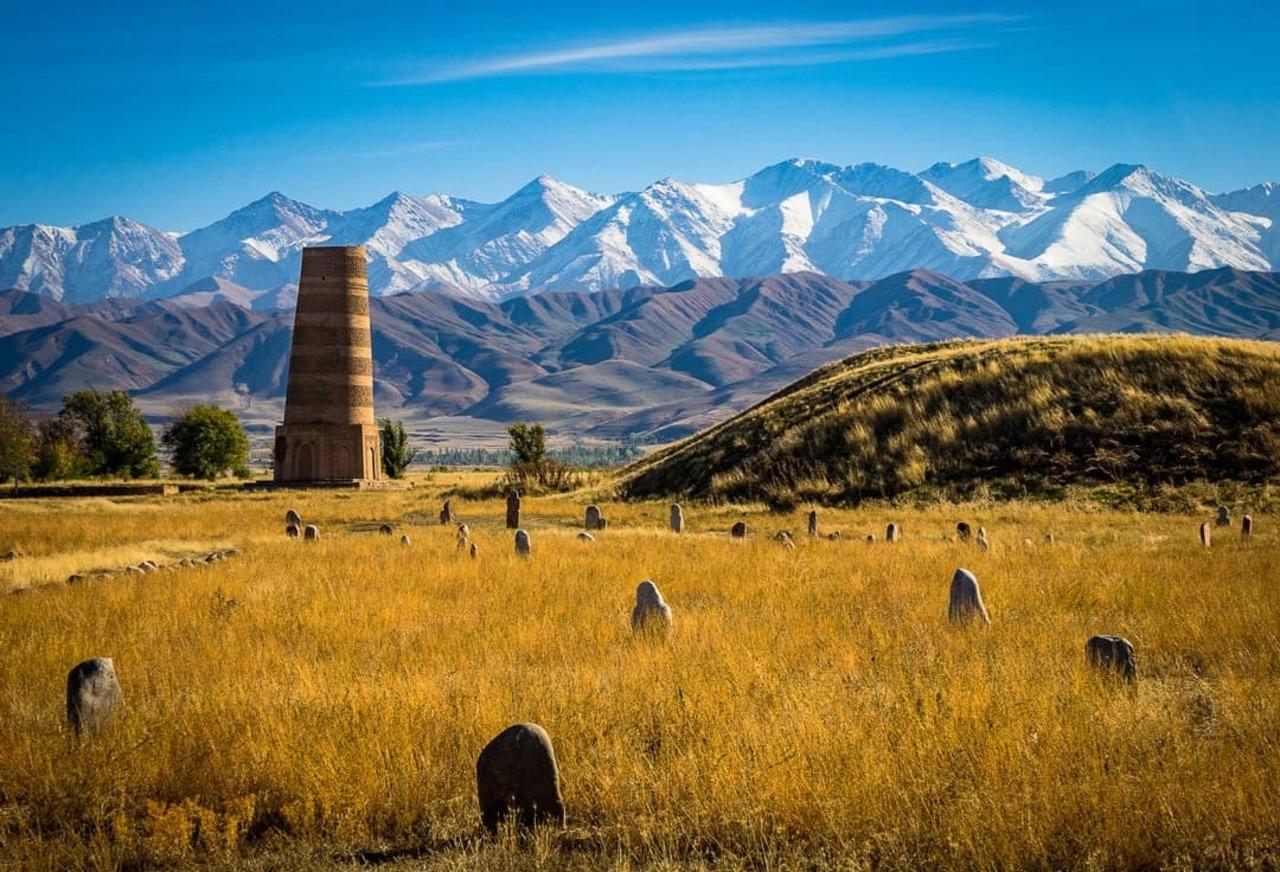
Stand among the ancient stone stelae to frame the minaret rising in the background, capturing a sense of scale across the steppe. This area offers a wide-angle perspective of the historic artifacts against the grassy landscape.
Real experiences from real travelers
We joined a burana tower tour from Bishkek and the drive through Chuy Valley was beautiful. The minaret itself is smaller than I expected but climbing the narrow interior staircase felt like stepping back to the 11th century. The collection of stone balbals around the base adds context. Worth the hour trip from the capital.
The tower stands alone in the valley with the Tian Shan range behind it. I visited on a clear morning and the views from the observation platform were worth the climb. The on-site museum has interesting artifacts from the Karakhanid period. Bring a wide-angle lens.
This minaret is one of the oldest standing structures in Central Asia. The brickwork shows incredible craftsmanship and the carved geometric patterns are still visible despite centuries of weathering. The stone warrior figures scattered around the grounds are hauntingly beautiful. Our guide explained the Silk Road significance well.
The Burana Tower tour was easy to arrange from Bishkek. The site is quiet and not crowded like other landmarks. Climbing the stairs is tight and steep so wear practical shoes. The surrounding valley views are worth it. I would have liked more English signage at the museum.
Hard to believe this tower has stood since the 1000s. The original height was reportedly 45 meters before earthquake damage. Standing at the base you can feel the scale of medieval Central Asian architecture. The balbals collection is the largest I have seen in Kyrgyzstan.
We visited around 5pm and the golden light on the terracotta bricks was gorgeous. The interior staircase is narrow and worn smooth by centuries of feet. At the top you get 360-degree views of farmland and mountains. Combine this with Ala Archa for a full day.
The Burana archaeological complex is more than just the tower. Walking among the balbals and foundation stones you realize this was once the bustling city of Balasagun. The minaret served as a beacon for caravans crossing the valley. Our guide shared stories of Karakhanid rule that brought the site to life.
The tower itself is striking but our guide's explanations about the Silk Road trade routes and the fall of Balasagun added depth. The spiral staircase has 60-something steps and gets very narrow near the top. The wind at the platform was strong but the Tian Shan panorama was worth it.
One of the highlights of my Kyrgyzstan trip. The tower stands in open grassland with almost no modern development in sight. I spent an hour photographing the balbals and the minaret from different angles. The carved stone faces on the warrior figures are incredibly detailed. Early morning light is best.
Burana Tower tours from Bishkek are affordable and the site entrance fee is minimal. The tower's brick construction and tapered design are architecturally fascinating. Climbing to the top gives you a real sense of how travelers once navigated this valley. The small museum has English descriptions and well-preserved artifacts.
Everything you need to know for your journey
The site is open daily from 09:00–17:00.
The entrance fee is 220 KGS per person, which includes access to the tower and museum.
Families are welcome, but the tower's interior is not suitable for small children due to steep stairs.
Yes, you can climb the interior of the minaret during your burana tower tour, though it is narrow and steep.
We recommend starting your burana tower tour between 09:00–10:00 to avoid mid-day crowds.
There is no strict dress code, but modest attire is appreciated for this historic site.
There are no restaurants, so bring water and snacks for your burana tower tour.
You can reach the location by taxi or marshrutka from Bishkek to Tokmok, followed by a short local transit.
Check your specific operator's policy, but typically you can cancel 24 hours in advance for a refund.
Remnants of the historic capital of the Karakhanid Empire.
Local homestay options near the site.
Join thousands of happy travelers who have discovered this incredible experience
Book Your Experience Now