11 hr
Burana Tower, Canyons & Issyk-Kul Lake Full-Day Tour
- Expert local guide
- Small group
- Skip-the-line access
- Free cancellation
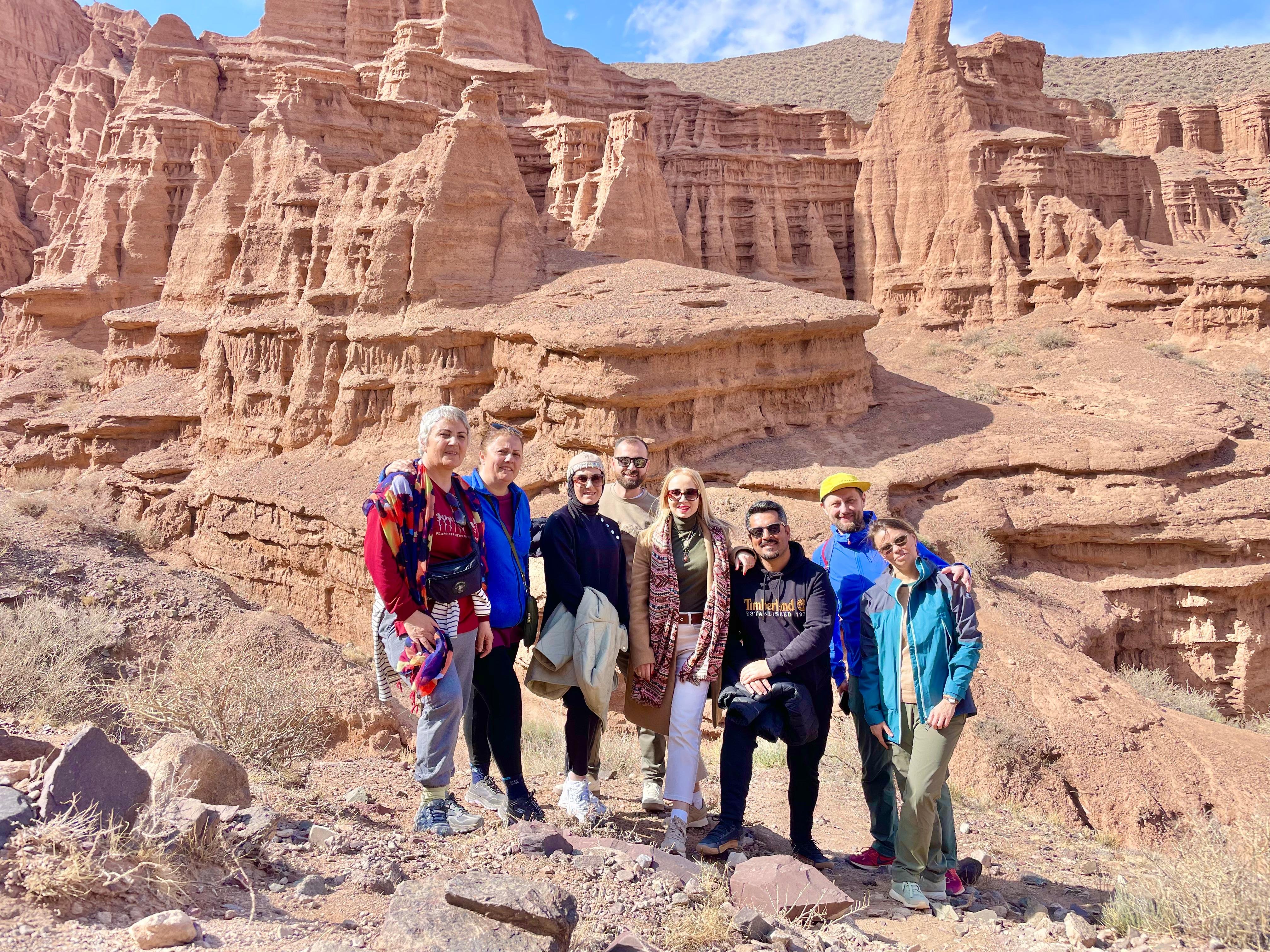
Burana Tower Day Tour — Silk Road Ruins & Canyon Excursions
An eleventh-century minaret in open steppe, paired with lake and canyon routes.
Compare fares, pick the fit — all bookings are mobile-voucher and eligible for free cancellation where shown.
11 hr
11 hr
12 hr
| Experience | Duration | Rating | Pickup | Skip-the-line | Guide | Small group | Price | |
|---|---|---|---|---|---|---|---|---|
|
Guided Experience
Most popular
Burana Tower, Canyons & Issyk-Kul Lake Full-Day Tour
|
11 hr | ★ 4.9 | ✓ | ✓ | ✓ | ✓ | €69 | Book → |
|
Guided Experience
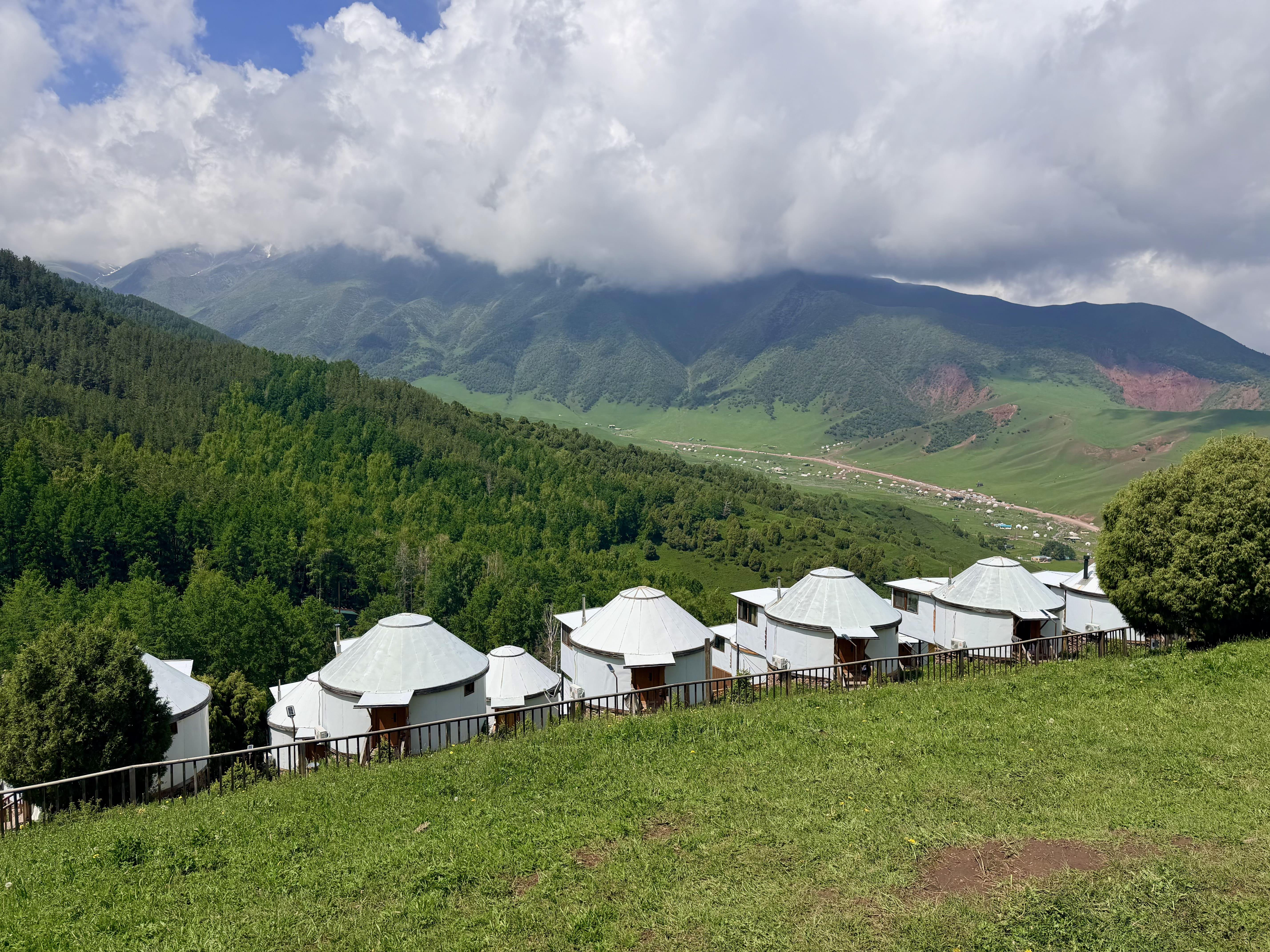
Sky Bridge & Ala-Archa National Park Full-Day Adventure
|
11 hr | ★ 4.9 | ✓ | ✓ | ✓ | ✓ | €68 | Book → |
|
Guided Experience
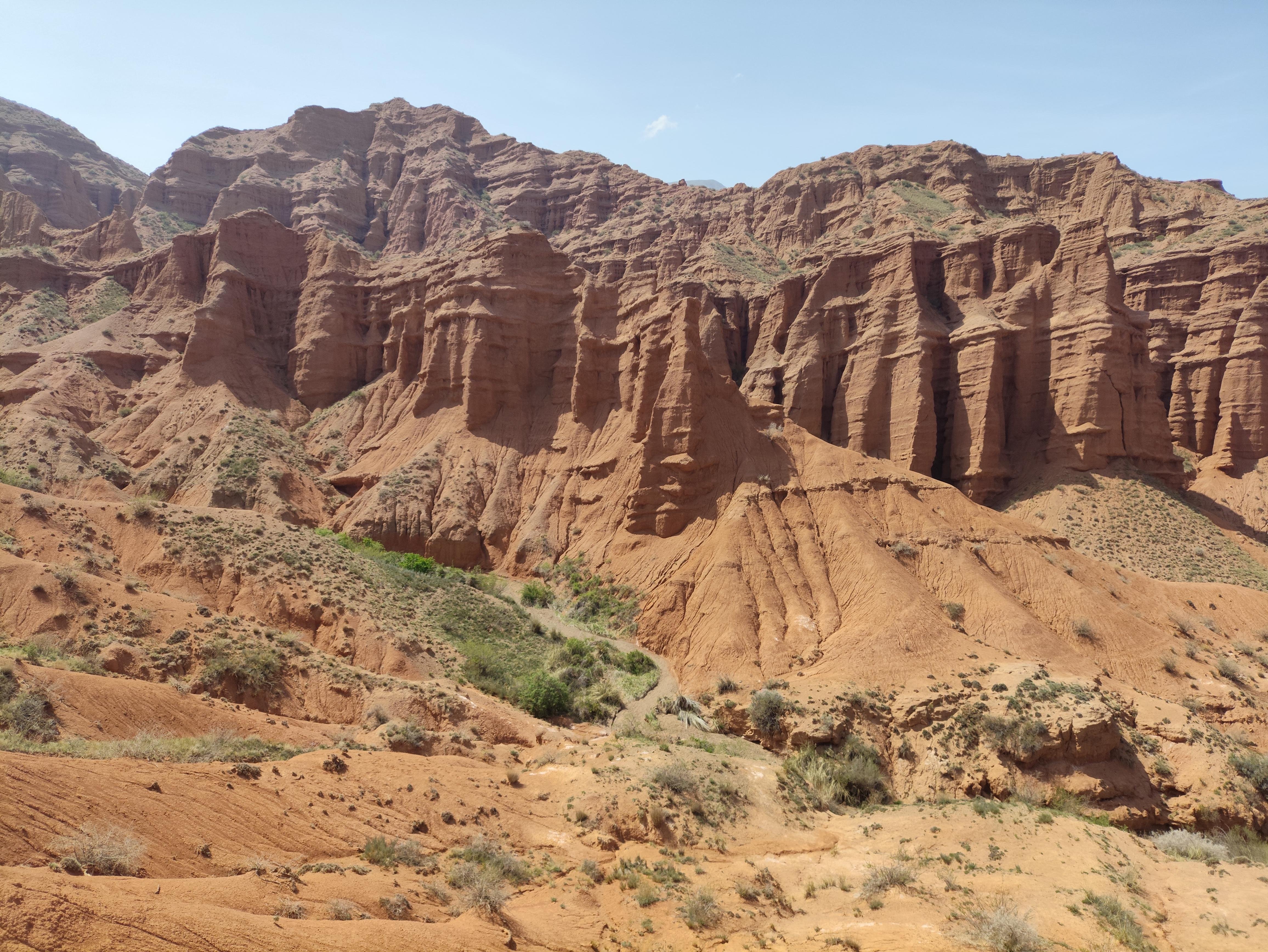
Burana Tower & Konorchek Canyons Adventure
|
12 hr | ★ 4.8 | ✓ | ✓ | ✓ | ✓ | €77 | Book → |
Worth it for history buffs and culture seekers
A Burana Tower day tour delivers exceptional value for anyone interested in Silk Road heritage. The 220 KGS entrance fee grants access to an 11th-century minaret—one of Central Asia's oldest standing structures—plus an open-air lapidarium displaying ancient Turkic stone carvings. Most full-day combo tours from Bishkek pair the tower with Konorchek Canyons or Issyk-Kul Lake, maximizing your time outside the capital while keeping costs reasonable. The 57-step climb rewards you with panoramic views of the Chuy Valley and Tian Shan foothills. Solo travelers on a tight schedule can reach the site independently in under 90 minutes, but joining a Burana Tower & Ancient Stones Museum Tour or multi-stop adventure adds context through expert narration and eliminates transport hassle. If you're drawn to archaeological sites and want tangible evidence of the Silk Road's reach, the admission cost is trivial compared to the historical significance you'll encounter.
Bottom line: For the price of a coffee in Bishkek, you'll stand inside a monument that predates Genghis Khan—few burana tower day tour tickets offer better historical return on investment.
They offer distinct experiences; choose the Burana tower day tour for a deep dive into Silk Road history, or select Ala-Archa for outdoor adventure. This comparison of Bishkek landmarks helps you decide which fits your schedule.
|
Top pick Burana Tower |
Ala-Archa Park | |
|---|---|---|
| Primary focus | History and archaeology | |
| Distance from Bishkek | 80 km | |
| Entrance fee | 220 KGS | |
| Access method | Stairs (57 steps) | |
| Typical duration | 2–3 hours | |
| Best arrival time | 09:00–10:00 | |
| See tickets & prices |
Verdict: If you want to view a historic minaret with burana tower day tour tours, pick the tower; if you prefer mountain scenery, choose the national park as your main burana tower day tour tour destination before booking your burana tower day tour tickets.
Hand-picked experiences loved by thousands of travelers
5.5 hours
Free Cancellation
Journey to Central Asia's iconic 11th-century minaret and explore a haunting collection of stone sculptures
8.5 hours
Free Cancellation
Journey to an 11th-century minaret and explore Kyrgyzstan's capital on this full-day guided adventure
8 hours
Free Cancellation
Explore an ancient Silk Road monument and hike through dramatic red sandstone gorges on this full-day adventure
10 hours
Free Cancellation
Journey from Bishkek to a Silk Road minaret, two mountain waterfalls, and natural thermal pools
8 hours
Free Cancellation
Journey to a stunning alpine lake and ancient Silk Road minaret on this full-day guided excursion
12.5 hours
Free Cancellation
Discover an 11th-century minaret and dramatic canyon formations on this full-day adventure from Bishkek
8.5 hours
Free Cancellation
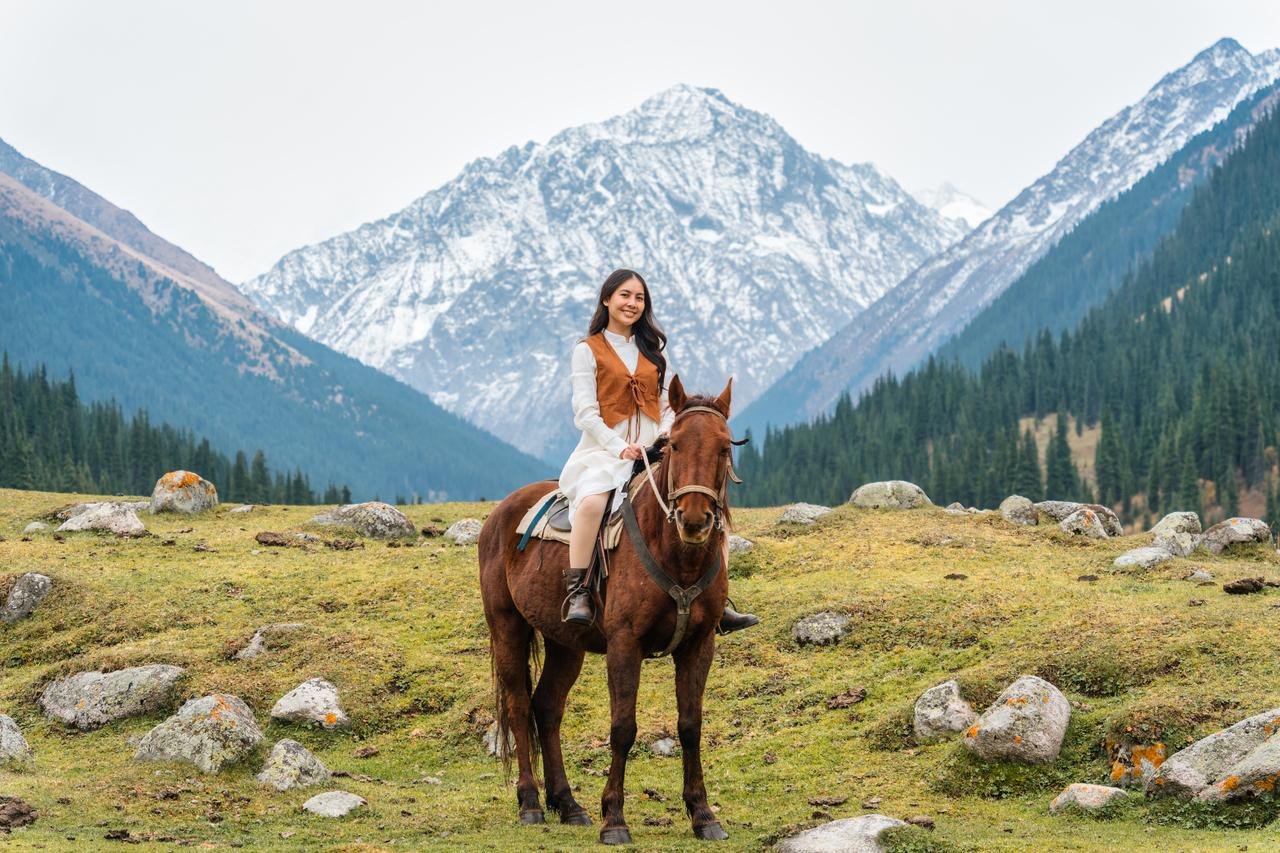
Explore a medieval minaret, ride horseback through alpine valleys, and share a meal with a Kyrgyz family
Arrival at the site gate to pay the 220 KGS entrance fee.
Explore the museum containing artifacts from the ancient city of Balasagun.
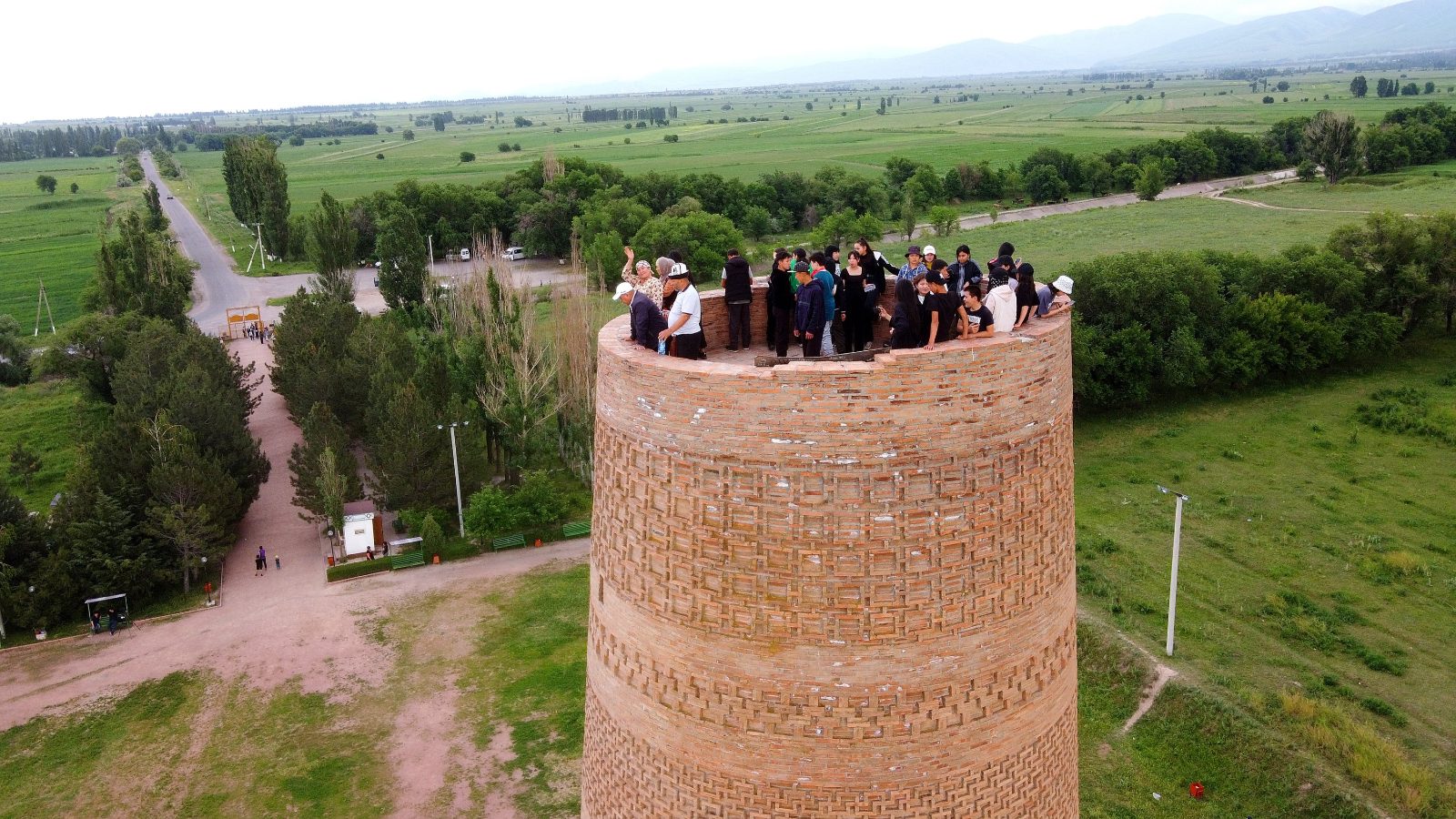
Climb the 57 steps to the top for panoramic views of the Chuy Valley.
Walk among the collection of ancient Turkic stone grave markers.
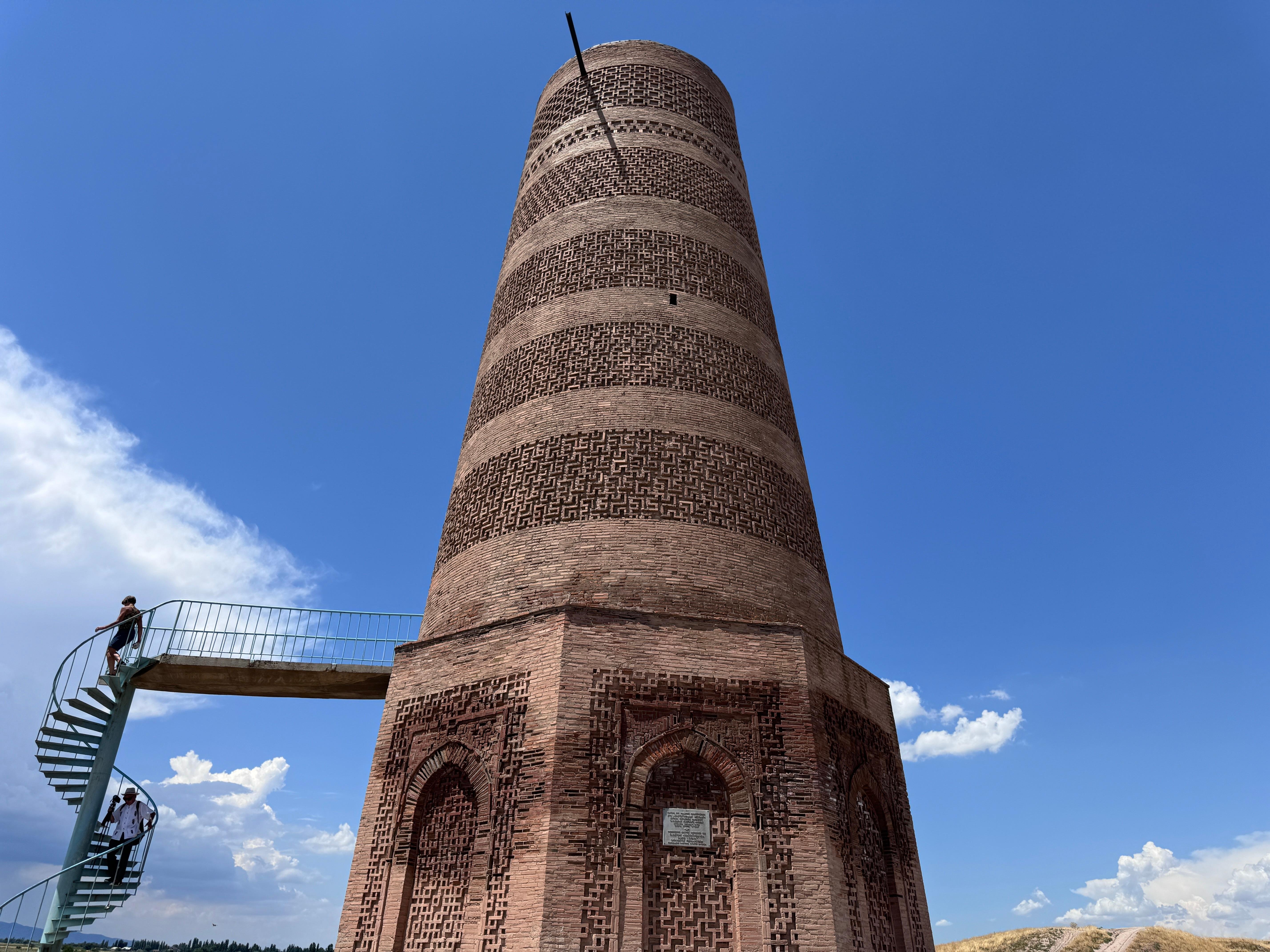
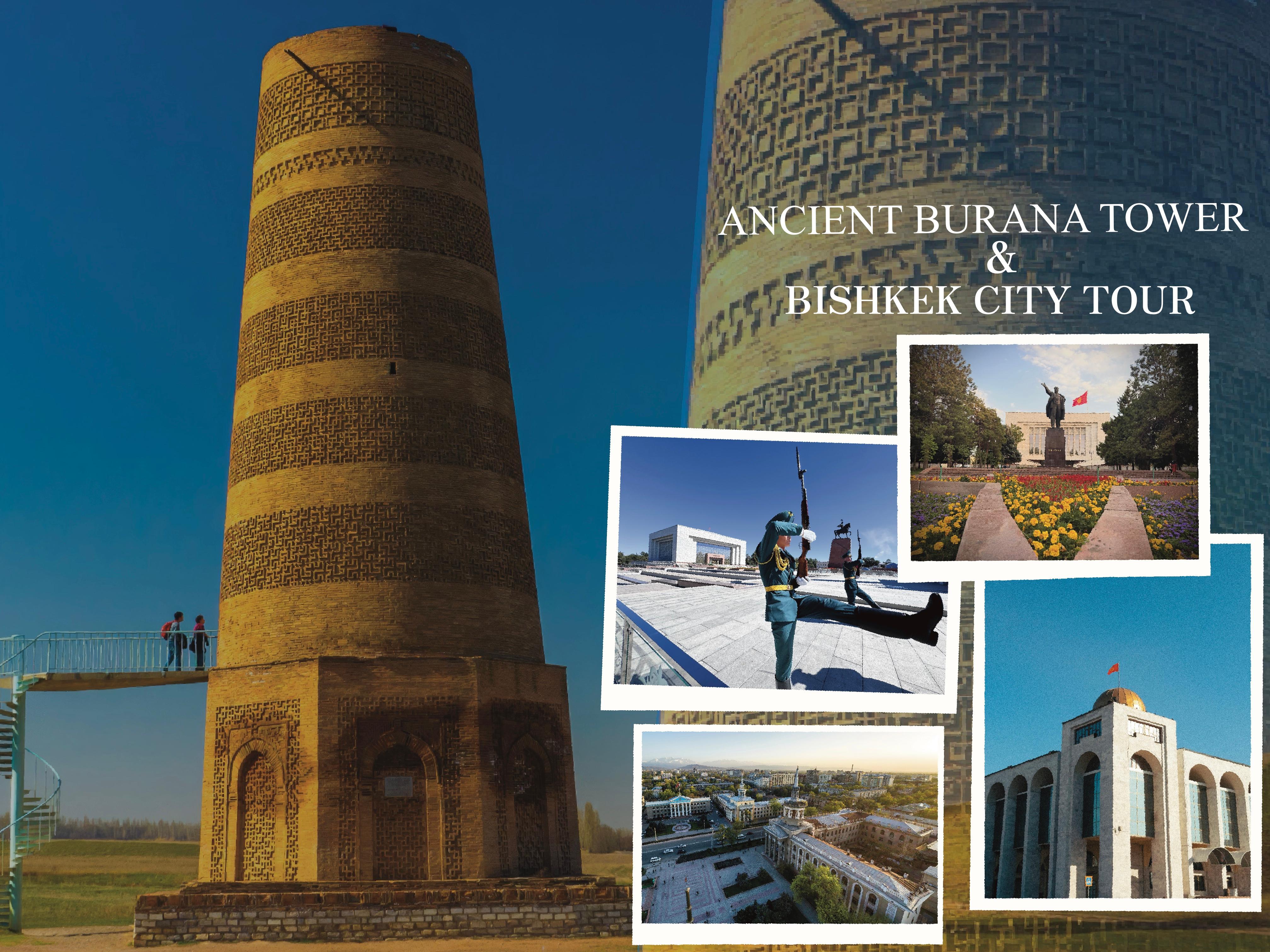
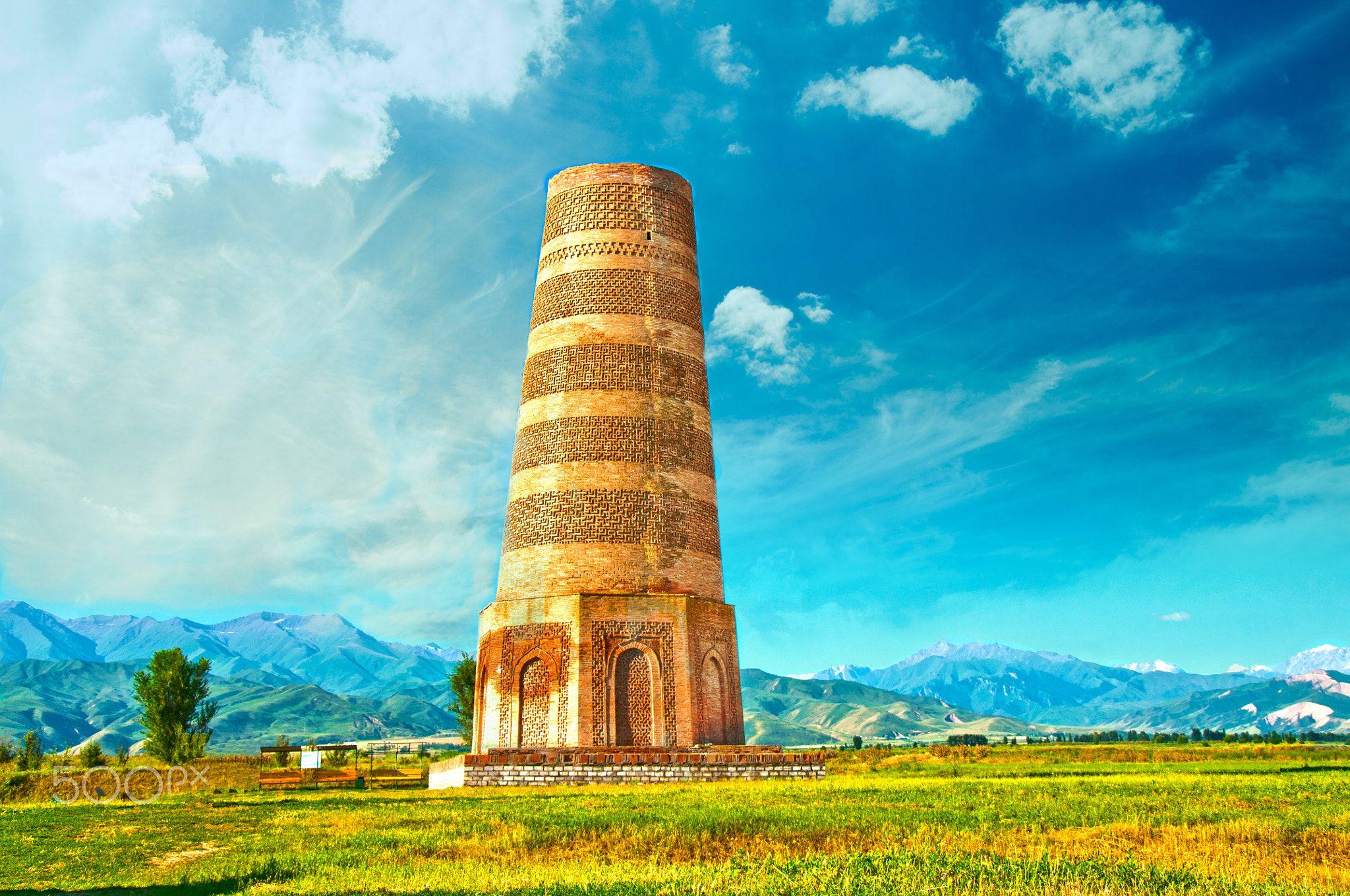
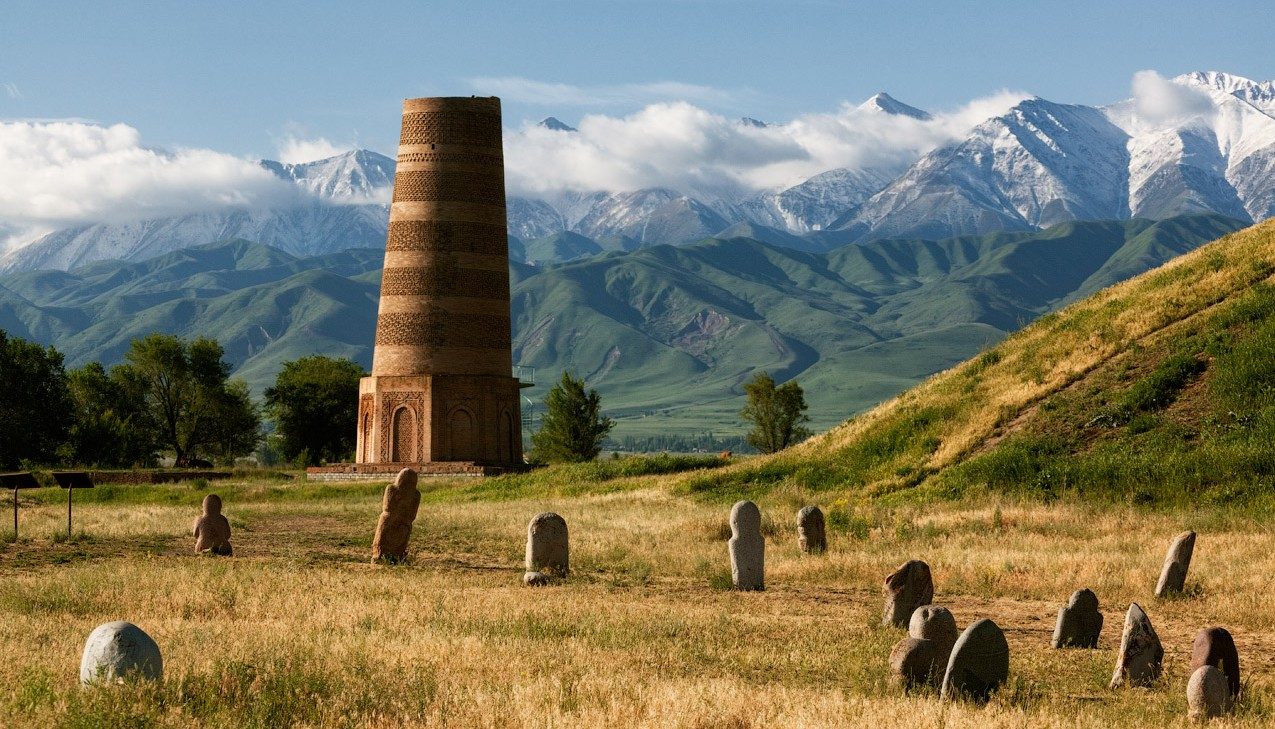
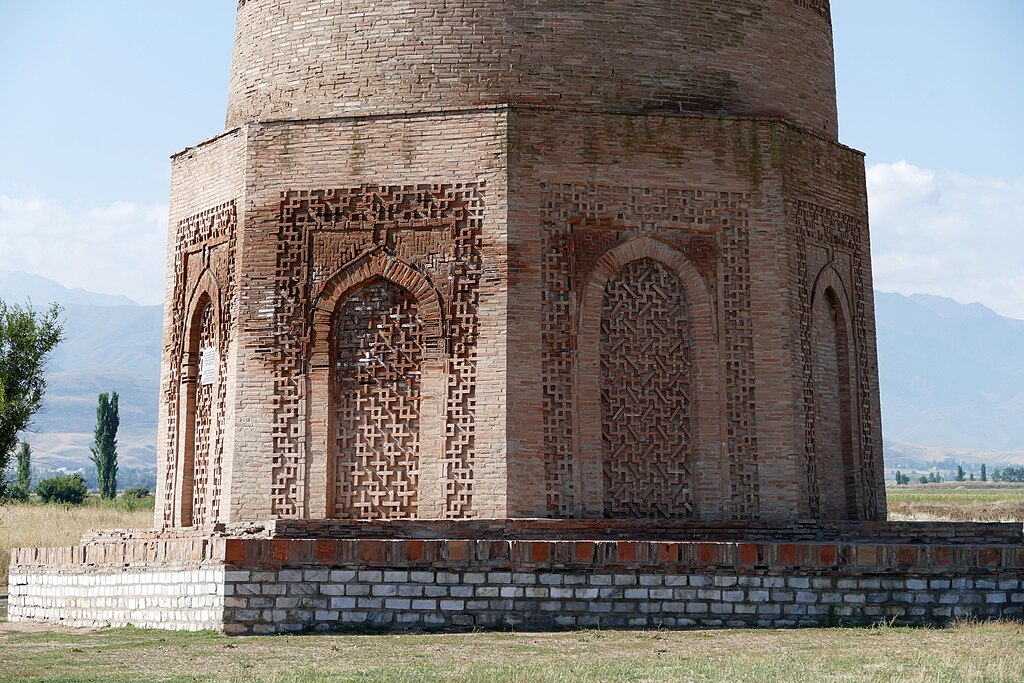
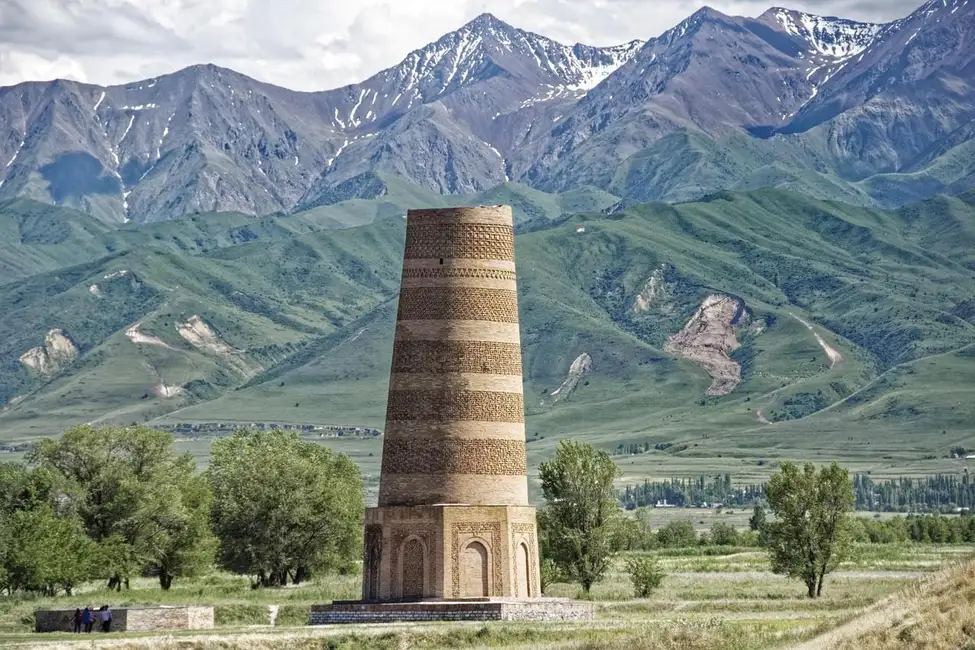
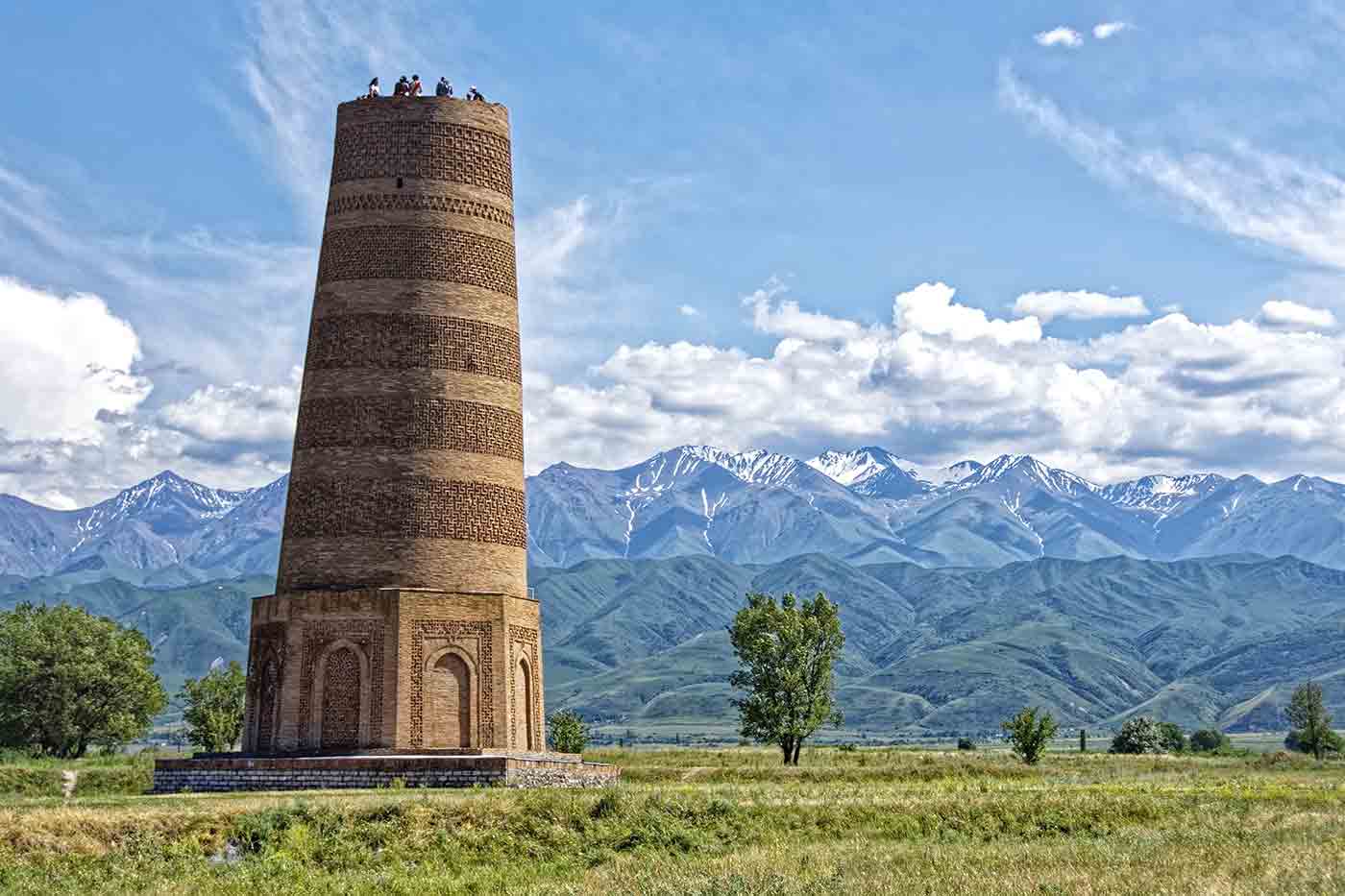
The central structure is an 11th-century minaret, standing as a primary remnant of the ancient city of Balasagun. The tower was once much taller before an earthquake destroyed its top section.
Constructed of fired bricks, the tower currently rises to a height of approximately 25 meters. Visitors climb 57 steps to reach the observation level for views of the Chuy Valley.
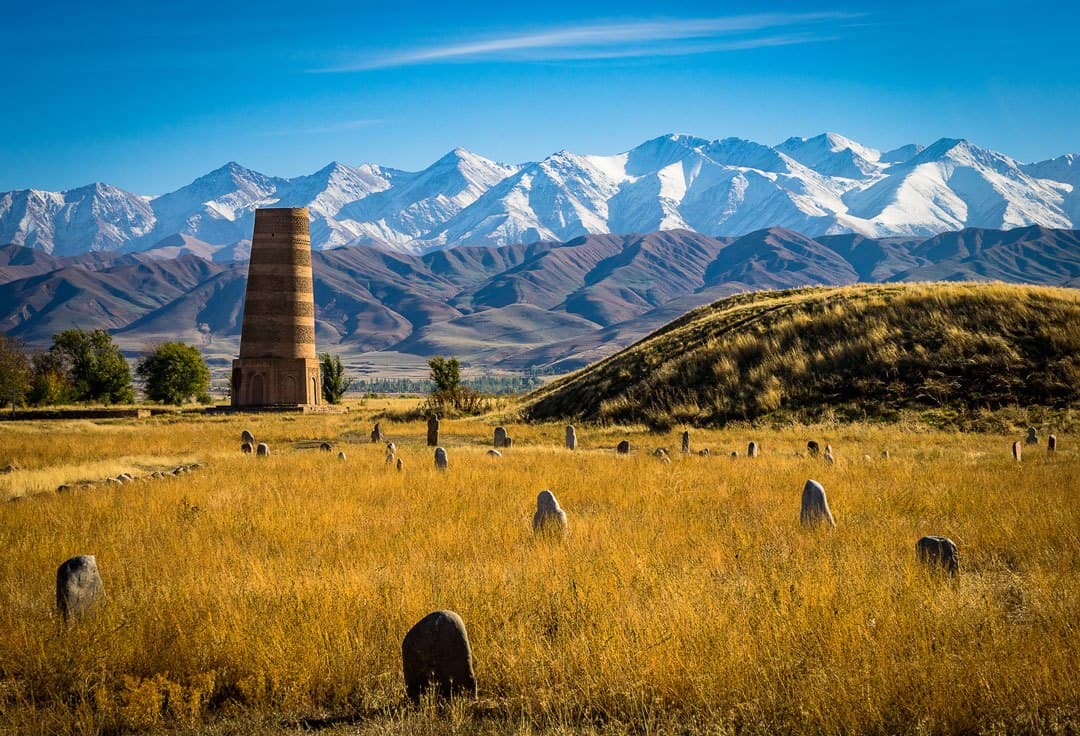
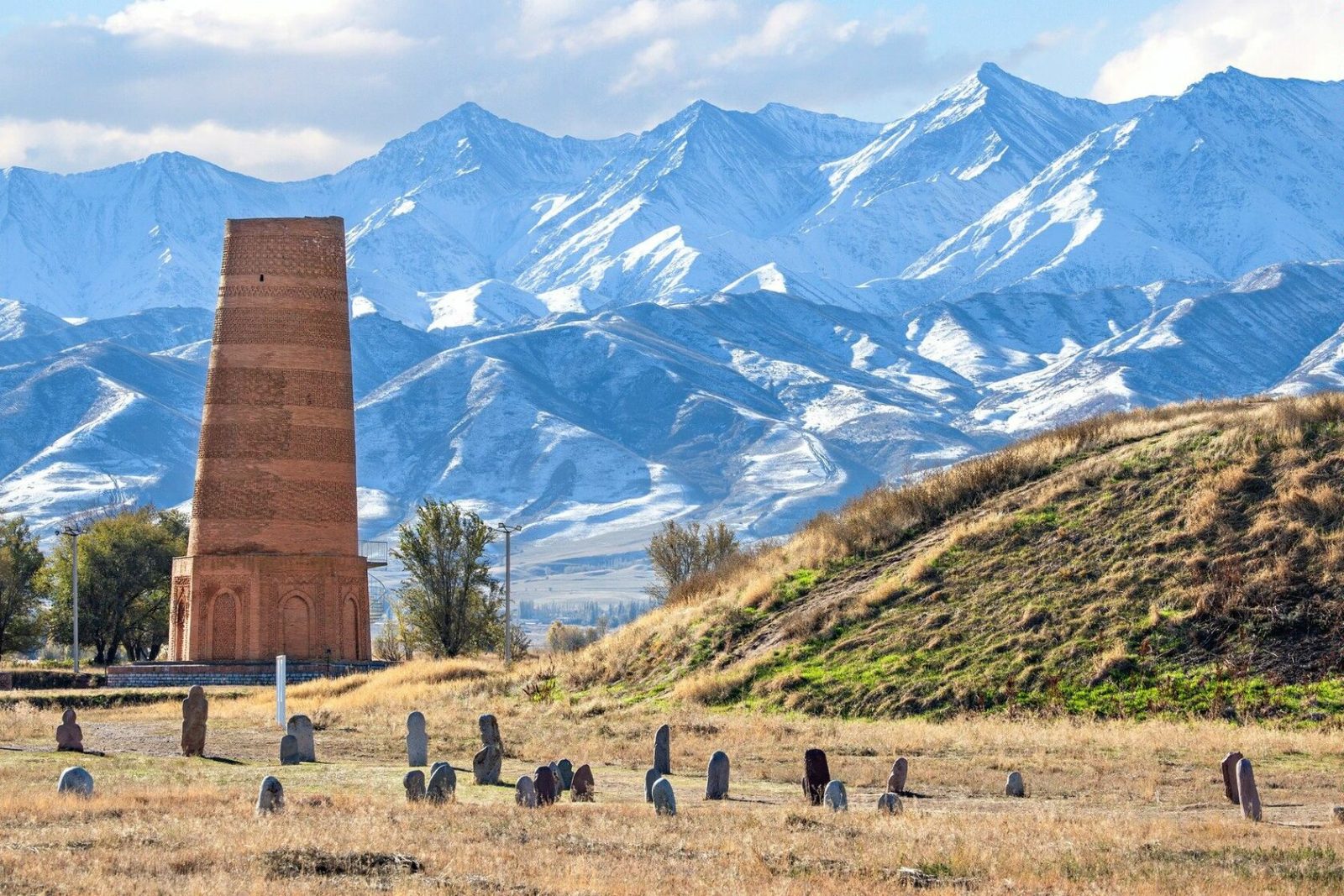
This field contains a large assembly of stone grave markers known as balbals. These ancient carvings originate from the 6th to 10th centuries and represent historical figures.
Located at the base of the tower, this small museum houses artifacts discovered during archaeological excavations. It provides essential context for your burana tower day tour.
Several stone slabs in the park feature ancient carvings depicting animals and hunting scenes. These stones represent a significant aspect of the nomadic heritage of Kyrgyzstan.
You leave Bishkek before sunrise, crossing the Chuy Valley as the Tian Shan foothills sharpen into focus. The minaret appears first as a thin vertical stroke against the steppe, growing taller as your vehicle turns off the M39 highway onto a gravel access road.
At the gatehouse you pay 220 som and walk a short path lined with carved stone figures — balbals relocated from burial mounds across the region — their weathered faces staring east toward distant peaks.
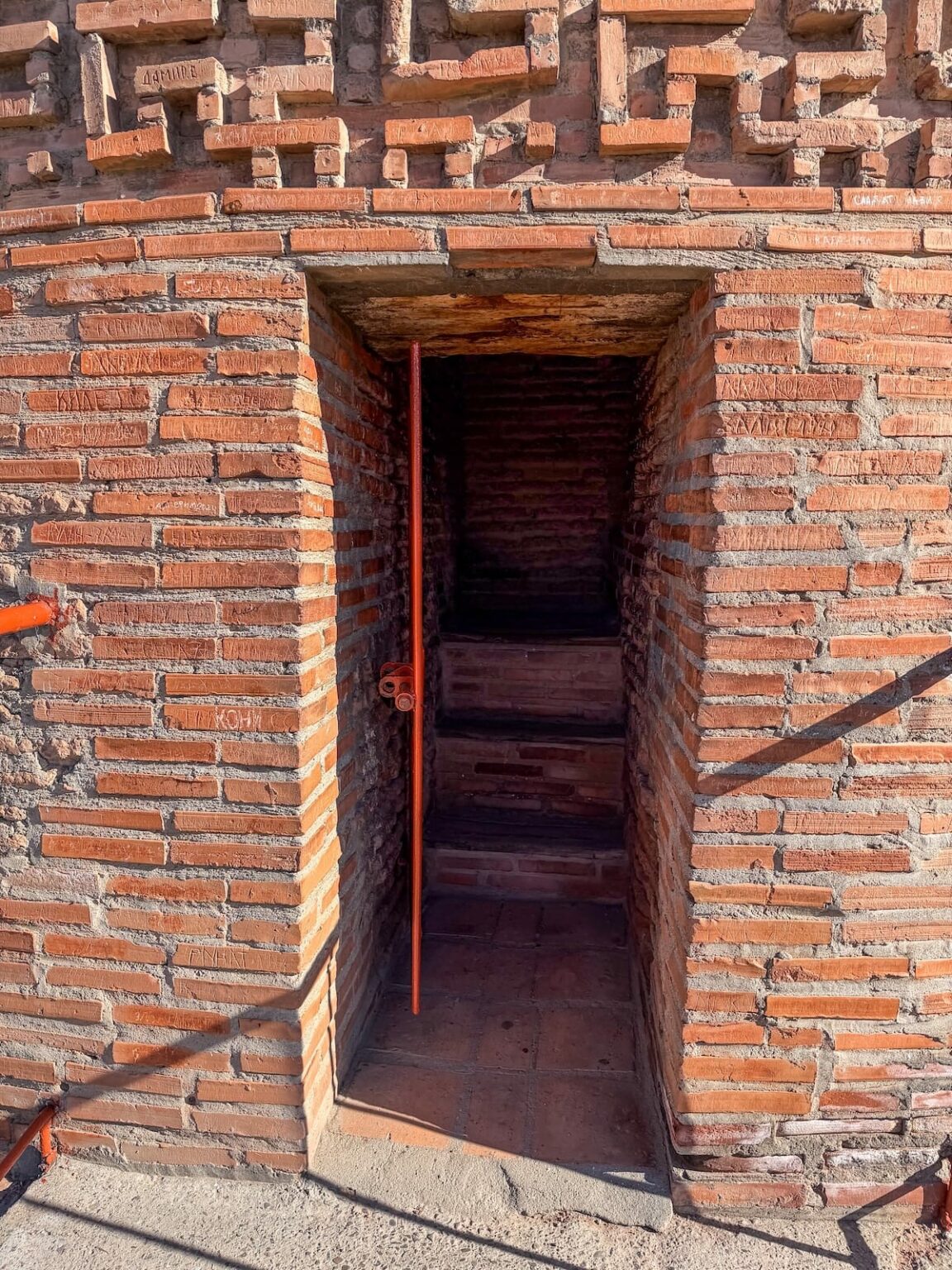
The tower's entrance is a low doorway in the brick base. Inside, a narrow spiral staircase winds upward through semi-darkness; you count 57 steps, each one slightly uneven, the walls close enough to brush with your fingertips. Emerging onto the upper platform, you steady yourself against the low parapet and scan the horizon: wheat fields in geometric blocks, a scatter of farmsteads, the white thread of a canal. The wind is constant at this height. Below, the museum courtyard holds petroglyphs under open shelters, their surface carvings of ibex and hunters barely visible in morning light. Most burana tower day tour itineraries allocate an hour here before continuing east to canyon trails or the lakeshore road, the minaret receding in the rearview as the steppe opens toward the Issyk-Kul basin.
All the details about your upcoming adventure in one place
The Burana Tower stands 24.6 metres tall today, reduced from an estimated original height of 45 metres by successive earthquakes that fractured the Chuy Valley over eight centuries.
Built in the eleventh century as the minaret of a long-vanished mosque in Balasagun — once a thriving Silk Road capital of the Qarakhanid dynasty — the structure is one of Central Asia's oldest surviving Islamic monuments. Its tapered brick shaft, banded with geometric terracotta motifs, marked the call to prayer for a city that minted coins, hosted caravanserais, and controlled trade routes linking Kashgar to Samarkand. By the fourteenth century, Balasagun had been abandoned, its population scattered by Mongol incursions and the shifting of trade corridors southward. Only the minaret and a field of stone balbals — Turkic grave markers carved with stern, impassive faces — remain above the steppe grass.
Today the site anchors a modest open-air museum, its perimeter ringed by petroglyphs and carved stelae relocated from surrounding valleys. The tower itself is accessible via an interior spiral staircase of 57 worn steps, each tread polished smooth by decades of visitors. From the upper platform, the view extends across wheat fields and pasture to the Kyrgyz Ala-Too range, whose snowfields feed the rivers that once sustained Balasagun's orchards and bathhouses. The site draws Bishkek-based travellers seeking tangible proof of the Silk Road's reach, as well as photographers drawn to the minaret's stark geometry against an unbroken horizon.
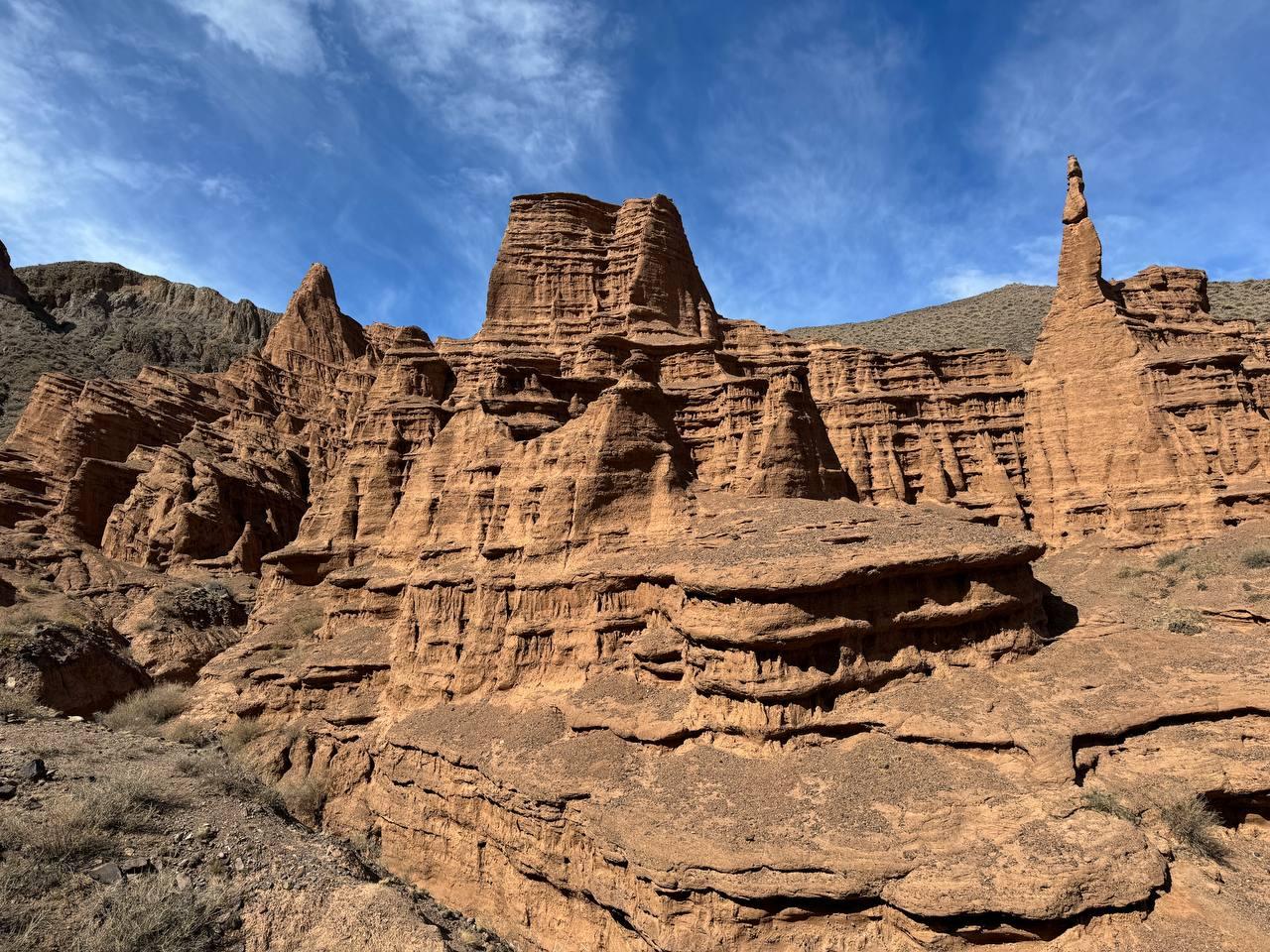
Burana tower day tour options from Bishkek typically pair the ruins with natural attractions farther east: the red-rock folds of Konorchek Canyons, the alpine gorges of Ala-Archa National Park, or the northern shore of Issyk-Kul Lake. These combinations acknowledge the tower's relatively brief on-site duration — most visitors complete the climb and museum circuit in under ninety minutes — and the desire to contextualize the medieval monument within Kyrgyzstan's broader landscape. Full-day itineraries depart the capital at dawn, covering the eighty-kilometre steppe corridor to Burana before continuing east or south. The tower opens at 09:00 and closes at 19:00 daily; the site is unshaded, and summer afternoons can exceed 35°C. Entrance for foreign visitors is fixed at 220 KGS per person, collected at a gatehouse fifty metres from the base of the minaret.

By the fourteenth century, Balasagun had been abandoned, its population scattered by Mongol incursions and the shifting of trade corridors southward.
Modest clothing is recommended when visiting the burana tower day tour, as it is a site of historical and cultural significance. Comfortable walking shoes are essential for the 57 steps to the observation deck.
There are no formal bag checks at the burana tower day tour, but large backpacks are discouraged due to the narrow stairwell. Keep personal items secure while exploring the grounds.
Photography is permitted throughout the burana tower day tour site, including the open-air museum. Tripods may be used provided they do not obstruct other visitors or damage the ancient balbals.
The burana tower day tour is suitable for families, though children must be supervised closely on the stairs. The surrounding park offers space for children to move safely.
The base of the tower and the museum grounds are accessible, but the tower itself requires climbing 57 narrow, steep steps. Individuals with mobility issues should exercise caution when navigating the uneven terrain of the Chuy Region complex.
There are no dining facilities directly at the burana tower day tour location. Visitors are encouraged to bring water and snacks, ensuring all waste is packed out to maintain the UNESCO heritage site.
Opening Hours
09:00–19:00 daily
Address
Burana, Chuy Region, Kyrgyzstan
Step count
57 steps
Best arrival window
09:00–10:00
Storage
Not available
Region
Chuy Valley
Car · 90 min · Fuel costs vary
Follow the main road from Bishkek toward Tokmok, then follow signs for the tower.
Taxi · 90 min · Subject to negotiation
Hire a private driver from Bishkek for a flexible burana tower day tour.
Full refunds are provided for cancellations made at least 24 hours before the scheduled burana tower day tour. Cancellations within this window are non-refundable as the 220 KGS entrance fee for foreign visitors, per person, may have already been processed.
Recommended time
2-3 hours
Most travelers find that a burana tower day tour provides ample time to climb the 57 steps and explore the surrounding balbal stone grave markers. Planning your visit for the early morning helps you avoid the arrival of Bishkek landmarks excursion groups that typically congest the site later in the day. Be sure to purchase your burana tower day tour tickets upon arrival, though visitors often spend extra time in the on-site museum if they wish to examine artifacts in depth. For those booking structured burana tower day tour tours, expect the transit time from the city to dictate your overall schedule.
Crowd levels through the day
Weather · crowds · average price — dots go green to amber to red as each metric rises.
Mild temperatures make for comfortable walking in the open field around the structure.
Expect hot weather; arrive at 09:00 to complete your burana tower day tour before the peak heat.
The landscape turns golden, providing excellent lighting for visiting this Bishkek landmark.
The site is colder with potential snow, though the structure remains a compelling historical visit.
Arrive by 09:00 to experience the tower without the midday tour bus traffic.
Wear shoes with good grip, as the 57 internal steps of the burana tower day tour are steep and uneven.
There is very little shade in the fields, so bring a hat and sunscreen for your visit.
Read the plaques near the balbals to understand their historical role before climbing the tower.
Do not climb on or lean against the stone artifacts in the open-air garden.
The Burana Tower stands as the last monumental remnant of Balasagun, a prosperous Silk Road city that flourished between the 9th and 13th centuries as a cultural and commercial hub of the Karakhanid Khanate. Founded around 900 CE, Balasagun served as a capital where Islamic scholars, Persian merchants, and Central Asian nomadic tribes converged, producing notable figures including the philosopher Yusuf Balasaguni, author of the epic poem Kutadgu Bilig in 1069. The tower itself was constructed in the 11th century as a minaret attached to a grand mosque, originally reaching an estimated 45 meters before earthquakes reduced it to its current 25-meter height. Archaeological evidence suggests the tower functioned both as a call-to-prayer platform and a landmark visible across the Chuy Valley plains, guiding caravans traveling between Kashgar and Samarkand. The city's decline began in 1218 when Genghis Khan's Mongol armies devastated Balasagun during their westward conquest, toppling structures and dispersing the population. A catastrophic earthquake in the 15th century delivered the final blow, collapsing most remaining buildings and shearing off the tower's upper third. For centuries the site lay abandoned, with local herders recycling bricks for livestock enclosures while the tower leaned at a precarious angle. Soviet archaeologists rediscovered Balasagun in the 1920s, but systematic excavation did not commence until 1970 under the direction of Kyrgyz Academy of Sciences teams who stabilized the tower's foundation and cataloged over 600 petroglyphs and balbals—Turkic stone grave markers depicting warriors and noblemen—scattered across the surrounding steppe. Today the Burana Tower day tour reveals this layered past through its open-air museum, where rows of stone figures unearthed from burial mounds frame the tower against the Tian Shan mountain backdrop. Visitors ascending the tower's 57 interior steps encounter Kufic inscriptions carved into the brickwork, fragments of the original glazed tilework, and structural repairs completed in 1976 that arrested further deterioration. The petroglyph collection displayed near the base includes stelae dating from the 6th to 10th centuries, documenting pre-Islamic Turkic cosmology and the transition to settled urban life. These artifacts transform a simple burana tower day tour into an encounter with the region's pivotal role in Silk Road commerce and the architectural ingenuity that once defined medieval Central Asia.
Balasagun founded as a Karakhanid capital along the Silk Road trade network
Burana Tower constructed as a 45-meter minaret attached to the city's central mosque
Philosopher Yusuf Balasaguni completes Kutadgu Bilig, a cornerstone of Turkic literature
Mongol armies under Genghis Khan sack Balasagun, initiating the city's decline
A major earthquake topples the tower's upper section and destroys remaining urban structures
Soviet archaeologists rediscover the Balasagun ruins and document the tower's precarious lean
Kyrgyz Academy of Sciences begins systematic excavation and stabilization of the tower
Structural repairs halt further deterioration and the site opens as an open-air museum
Stand at the southern end of the stone collection to frame the ancient grave markers against the backdrop of the brick minaret. This perspective highlights the scale of the archaeological site during your burana tower day tour.
Position yourself close to the northern wall to capture the intricate brickwork patterns and the weathered textures of the medieval structure. Using a wide-angle lens here helps convey the height of the minaret as you prepare for your burana tower day tour tours.
Climb the surrounding grassy earthworks to secure an elevated vantage point looking down at the complex. This angle is ideal for wide landscape shots that include the Chuy Valley mountains, often featured in a typical Bishkek landmarks tour.
Capture the narrow, light-streaked ascent inside the tower as you climb the 57 steps toward the top. This vertical composition relies on natural light filtering through small openings, a favorite for those purchasing burana tower day tour tickets.
Planning a burana tower day tour from Bishkek involves navigating open grounds and an ancient structure that fascinates older children. The site offers a spacious outdoor environment where little ones can roam while you explore this historic landmark.
The grounds consist of uneven dirt paths and grass, making standard strollers difficult to use; a carrier is recommended for younger children.
The climb requires navigating 57 steep, narrow steps, making this better suited for children aged seven and up who are steady on their feet.
There are no dedicated baby-change facilities or modern restrooms on site, so parents should prepare accordingly before departing from Bishkek for these burana tower day tour tours.
To ensure a stress-free experience, aim for the best arrival window of 09:00–10:00 to avoid mid-morning crowds and tour group congestion.
The area lacks dining infrastructure, so pack sufficient snacks and water for your family to enjoy on the grass during your burana tower day tour tickets purchase and visit.
Dining options are extremely limited near the site, so travelers embarking on a burana tower day tour often choose to bring snacks or eat in nearby Tokmok. While planning your burana tower day tour tours, consider that on-site facilities are basic, making local eateries in the town a more reliable choice for a full meal.
Located right at the entrance, this small spot offers tea, coffee, and light local snacks perfect for those who have just purchased their burana tower day tour tickets. Expect limited seating during peak hours.;Restaurant Dastorkon
Everything you need to know for your journey
The site is open from 09:00–19:00 daily.
The entrance fee for foreign visitors, per person, is 220 KGS.
Yes, there are 57 steps to reach the observation level of the tower.
Yes, families often enjoy the burana tower day tour, though children must be supervised near the steps.
You may bring snacks, but please carry all trash out of the site.
We suggest arriving between 09:00–10:00 to avoid mid-morning crowds and tour group congestion.
Yes, photography is permitted at the burana tower day tour.
Wear modest clothing and supportive footwear suitable for uneven ground and steep steps.
Yes, many travelers combine a burana tower day tour with visits to local valleys or the nearby city of Tokmok.
Ancient remains of the medieval city once located here.
A curated collection of balbals found throughout the Chuy Region.
Simple local lodging near the site.
Join thousands of happy travelers who have discovered this incredible experience
Book Your Experience Now